
Understanding Trinidad
Understanding Trinidad means seeing the layers behind the landscape. Shaped by migration, faith, and geography, the island’s many cultures live side by side, with daily life unfolding in shared, social spaces. For travelers willing to look a little deeper, Trinidad reveals a place defined as much by its people and history as by its scenery.
History & Culture
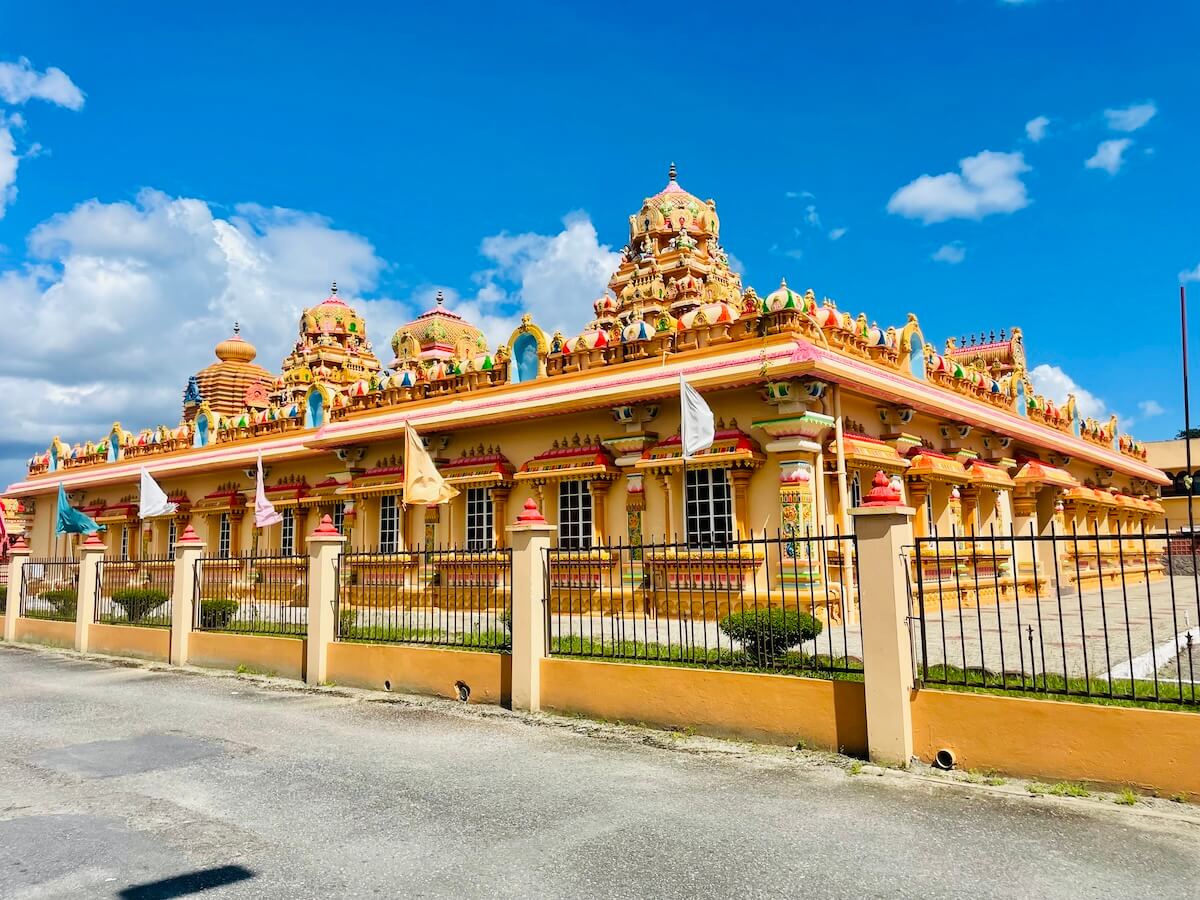
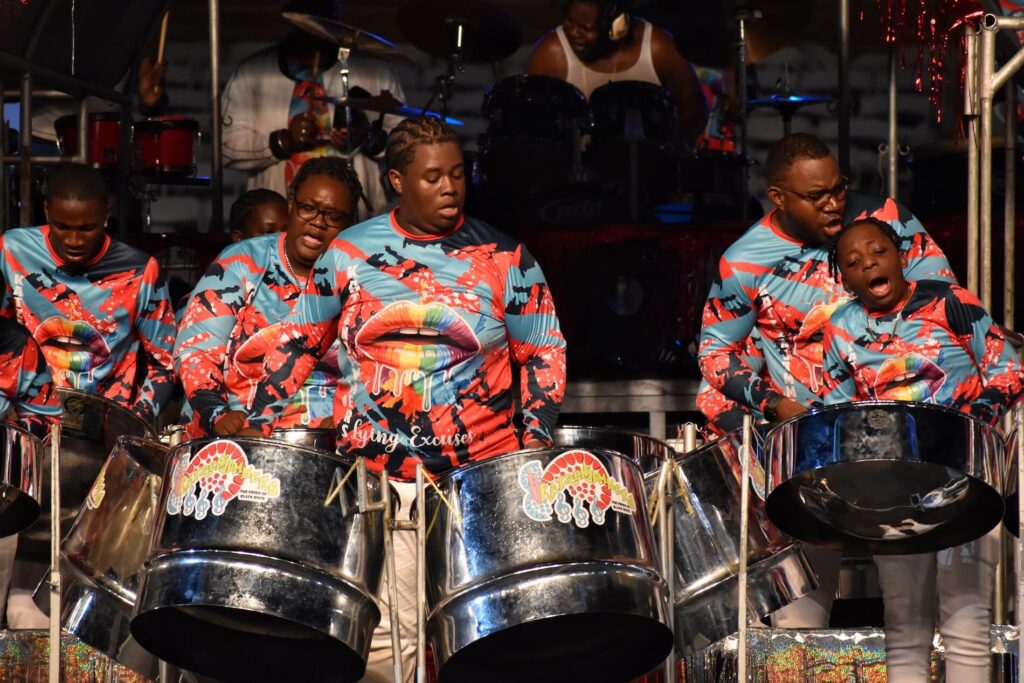
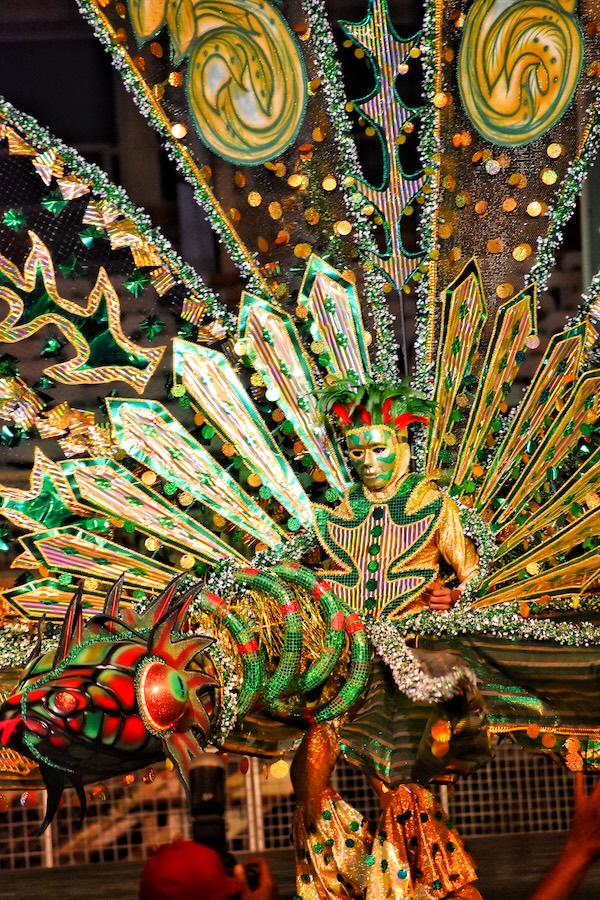
Trinidad’s culture was shaped by movement — of people, labour, and ideas. Indigenous communities lived here long before Spanish, French, and British colonial rule brought enslaved Africans and later indentured workers from India. Smaller but influential migrations from China, the Middle East, and Europe followed. Today, this history is visible in everyday life: Hindu temples and mosques beside churches, steelpan alongside tassa drums, and a calendar filled with events like Carnival, Divali, and Hosay. Culture in Trinidad isn’t staged — it’s practiced daily, openly, and often in public.
People & Everyday life
Trinidad is home to around 1.4 million people, shaped by a rare mix of ethnicities and histories. The population is primarily of African and Indian descent, alongside people of mixed heritage, European, Chinese, Middle Eastern, and Indigenous roots. This diversity isn’t abstract — it’s visible in neighborhoods, places of worship, food traditions, languages, and the rhythm of daily life. What unites it all is a strong culture of social connection: people talk, joke, debate, and share openly. Visitors often find that a simple question or greeting turns into a conversation, an invitation, or a recommendation. Trinidad’s people give the island its energy — curious, expressive, welcoming, and proud of a society where many cultures coexist in everyday, lived ways.
Food Culture
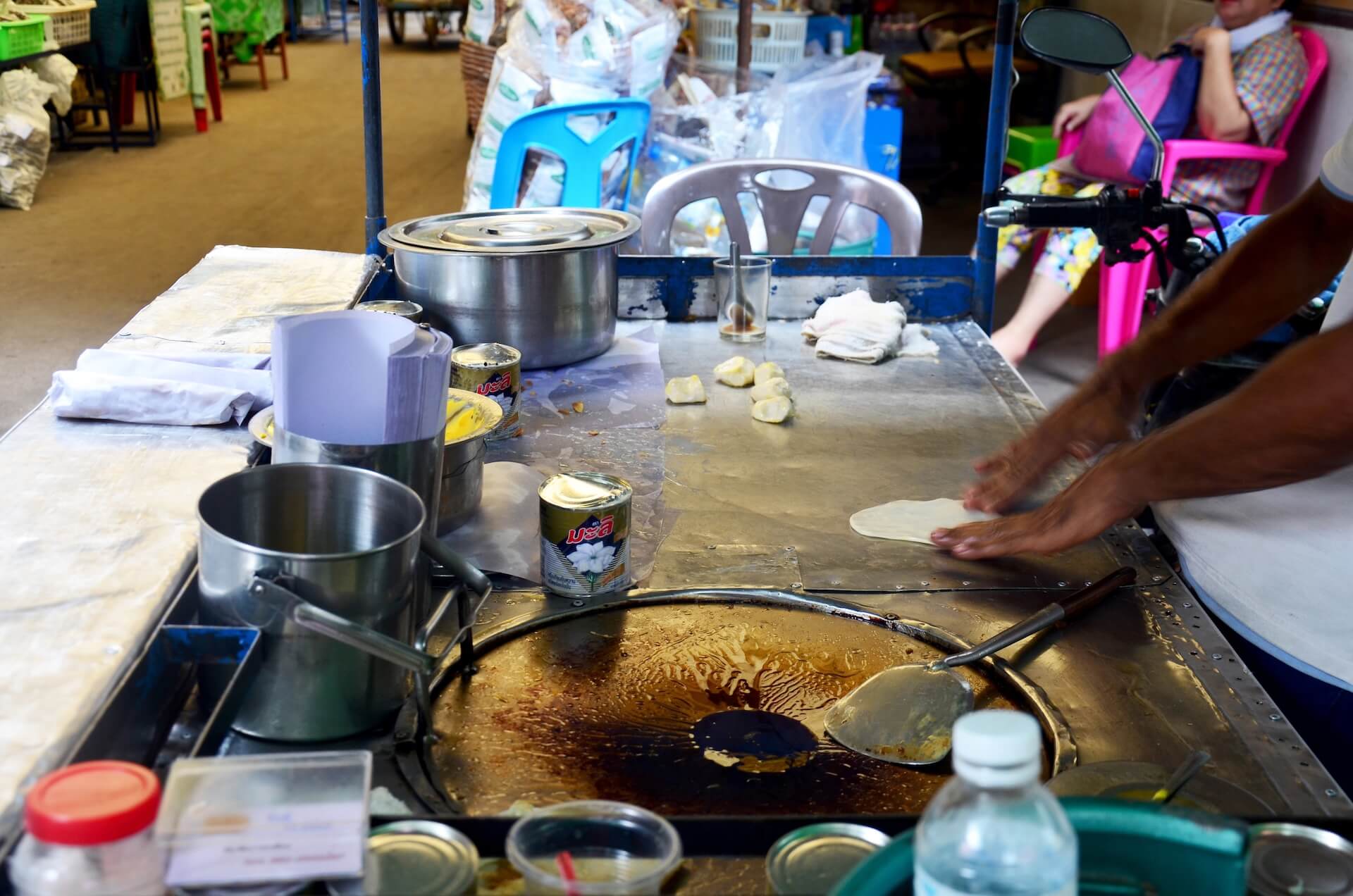
Food in Trinidad is one of the most direct ways to experience its diversity. Indian-influenced curries and rotis, African-rooted Creole dishes, Chinese-Trinidadian staples, and Middle Eastern flavours exist side by side. Street food is essential, not optional — doubles in the morning, roti for lunch, bake and shark by the beach, and late-night food stalls that double as social spaces. Meals are informal, affordable, and deeply woven into daily routines rather than reserved for special occasions.
Religion & Shared Celebrations
Religious diversity is a defining part of life in Trinidad, with Christianity, Hinduism, and Islam practiced side by side, alongside smaller Jewish, Baháʼí, and spiritual communities. Churches, temples, and mosques are woven into everyday neighborhoods, not set apart from daily life. What makes Trinidad distinctive is how religious observances are widely shared and respected across communities. Divali lights up streets and homes far beyond Hindu families, Hosay processions draw onlookers from all backgrounds, Christmas and Easter are nationally celebrated, and Carnival, though not religious, reflects this same spirit of collective participation. These moments shape the calendar year, giving travelers multiple opportunities to experience Trinidad at times when faith, culture, and community come together in public, welcoming ways.
Iconic Landmarks
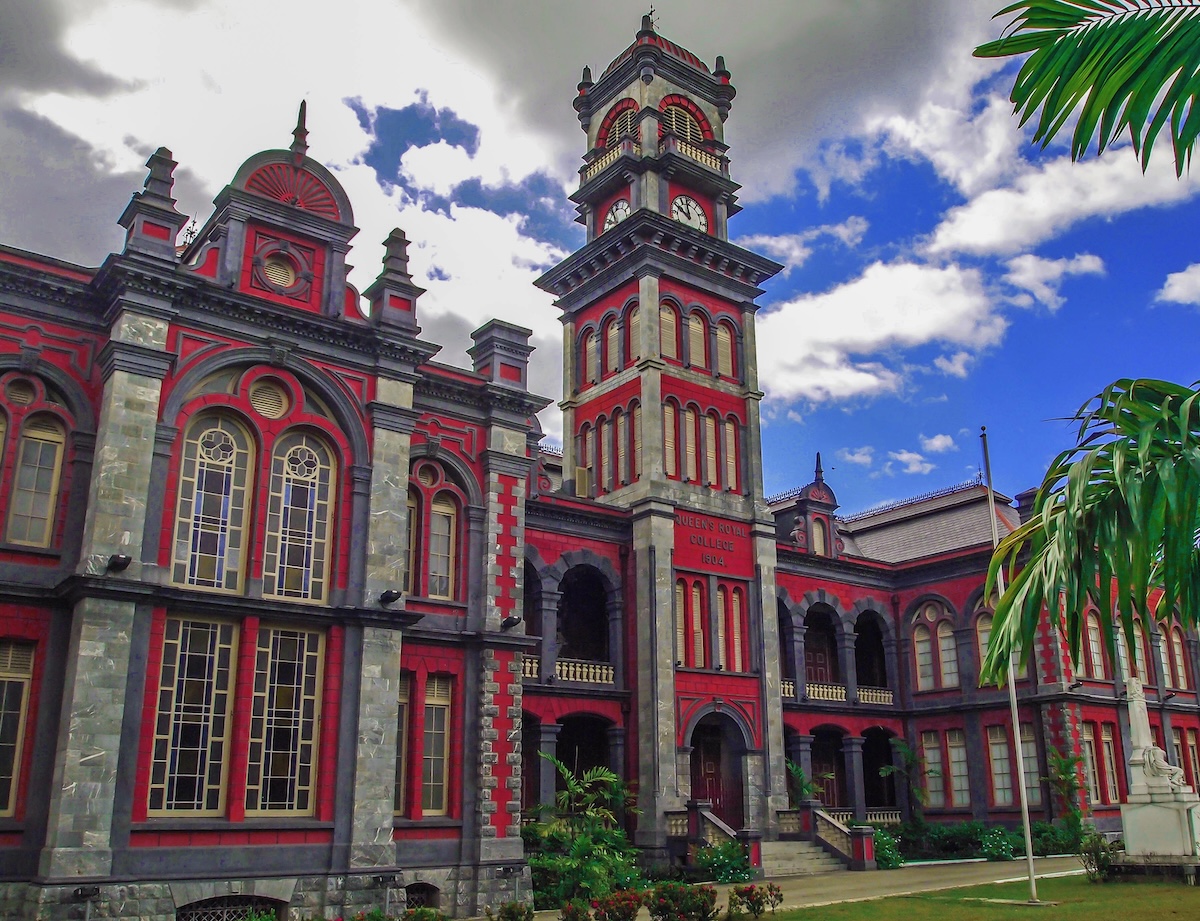
Trinidad’s landmarks reflect both natural phenomena and cultural expression. The Pitch Lake in La Brea is the largest natural asphalt lake in the world and still actively used. Port of Spain blends colonial-era buildings with modern city life, anchored by Queen’s Park Savannah and the surrounding “Magnificent Seven.” The Hanuman Murti statue in Carapichaima — one of the tallest of its kind outside India — highlights the island’s Hindu heritage. Along the north coast, beaches like Maracas and Las Cuevas combine dramatic scenery with everyday local life, food, and weekend liming.
Nature & Geography
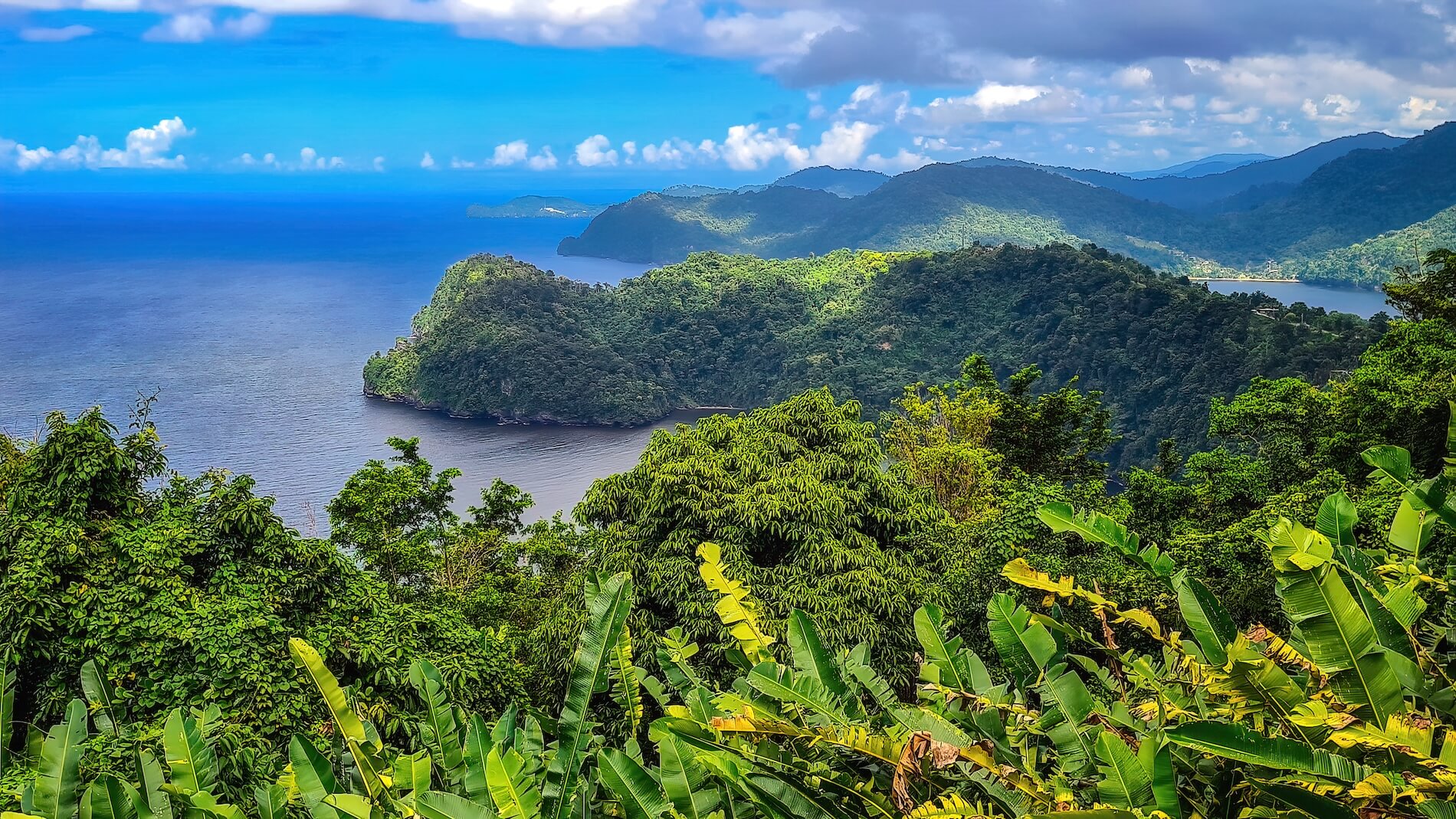
Unlike most Caribbean islands, Trinidad is geologically part of South America. This continental origin means older rainforests, richer soils, and exceptional biodiversity. The island is compact but varied: the Northern Range runs east–west with rainforest, waterfalls, and hiking trails; the Caroni and Nariva wetlands support mangroves and birdlife; the east coast faces the Atlantic with long, wild beaches; the west coast borders the calmer Gulf of Paria. Wildlife includes monkeys, sloths, reptiles, hundreds of bird species, and nesting leatherback turtles along the northeast coast.
Upcoming events
Lorem ipsum dolor sit amet, consectetur adipiscing elit. Ut elit
tellus, luctus nec ullamcorper mattis, pulvinar dapibus leo.
SEp 4-6, ’21
Day 1 Magic
Pumpkin Patch
Lorem ipsum dolor sit amet, consectetur adipiscing elit. Ut elit tellus, luctus nec ullamcorper mattis, pulvinar dapibus leo.
SEp 4-6, ’21
Lazer Tag Night Sessions
Lorem ipsum dolor sit amet, consectetur adipiscing elit. Ut elit tellus, luctus nec ullamcorper mattis, pulvinar dapibus leo.
SEp 4-6, ’21
Sand Art & Spin Art Frisbee
Lorem ipsum dolor sit amet, consectetur adipiscing elit. Ut elit tellus, luctus nec ullamcorper mattis, pulvinar dapibus leo.