Understanding Trinidad
Trinidad makes more sense once you understand the layers behind what you see. Indigenous history, colonial rule, migration, faith and geography have all shaped the island — and their influence is still visible in its food, music, festivals, neighbourhoods and everyday life.
Start here for the context behind the places you visit.
History & Culture
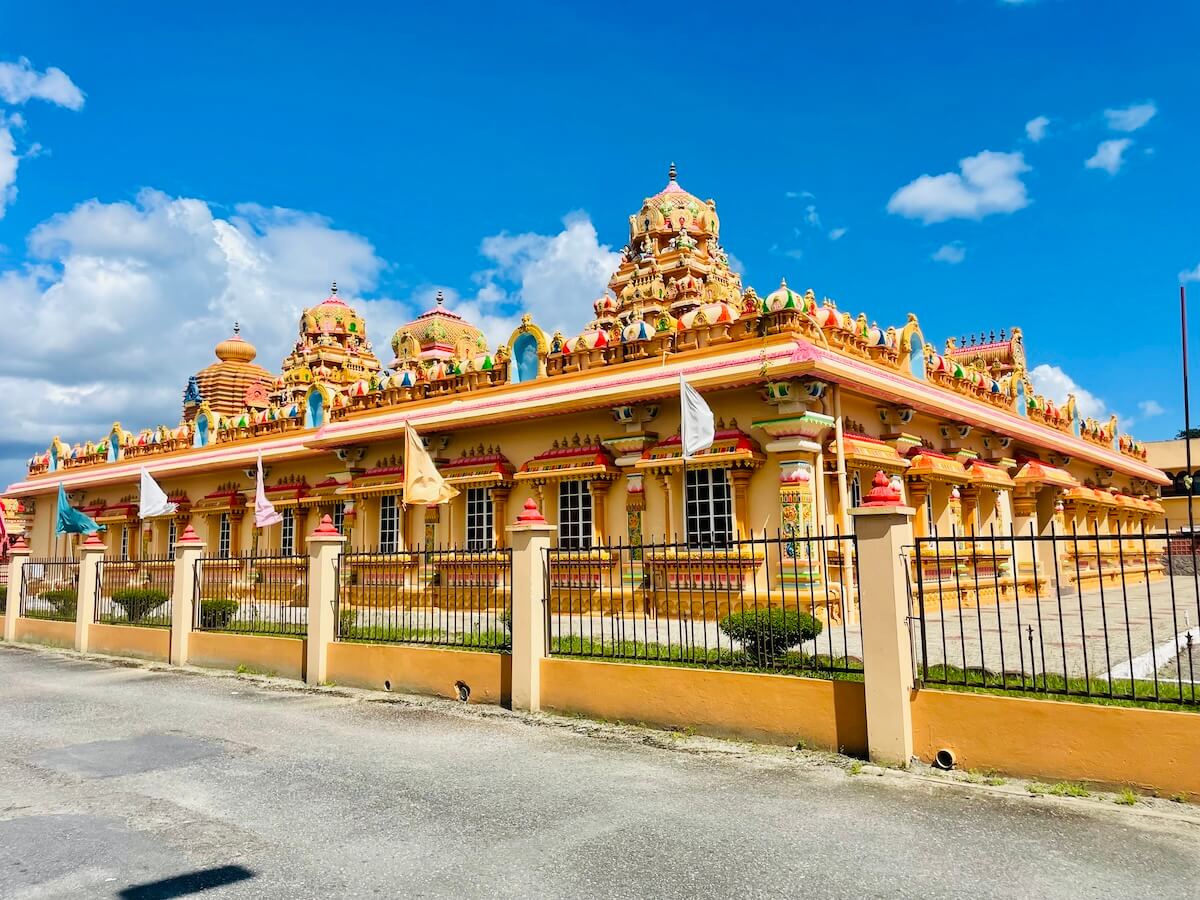
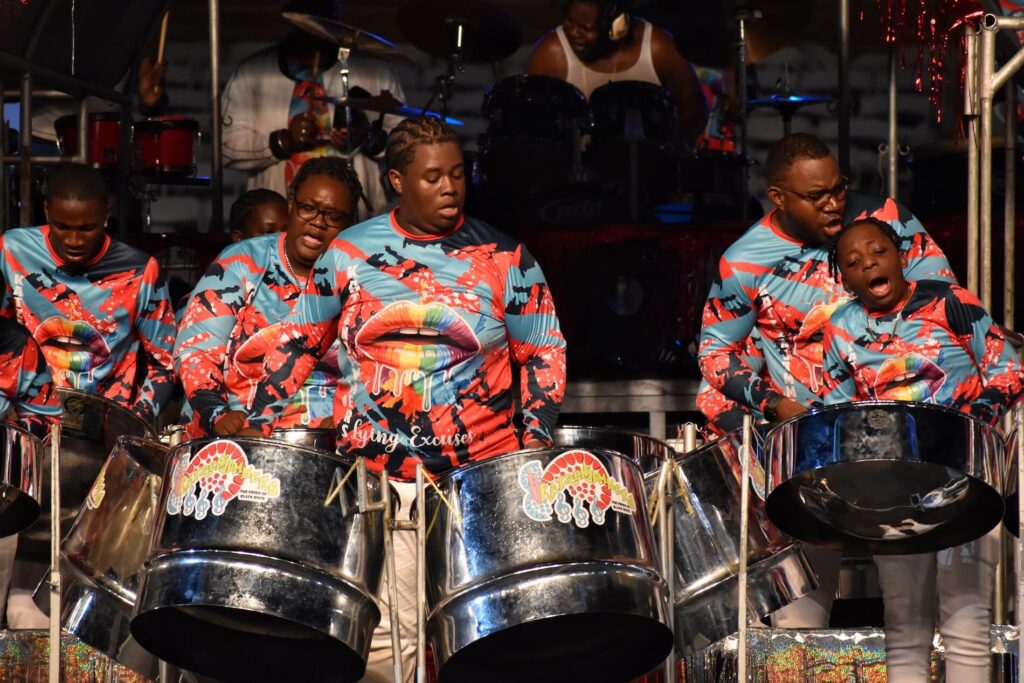
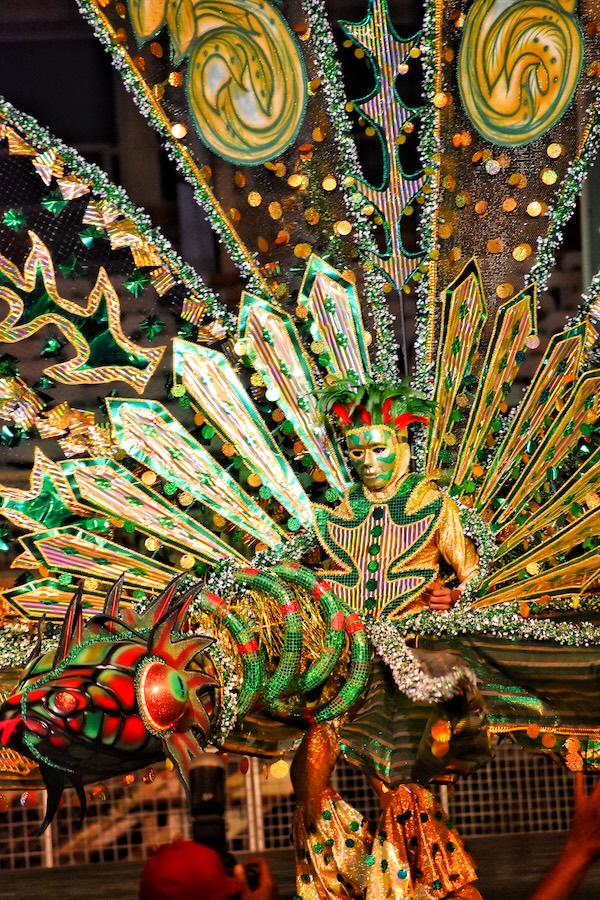
Trinidad’s culture was shaped by movement — of people, labour, and ideas. Indigenous communities lived here long before Spanish, French, and British colonial rule brought enslaved Africans and later indentured workers from India. Smaller but influential migrations from China, the Middle East, and Europe followed. Today, this history is visible in everyday life: Hindu temples and mosques beside churches, steelpan alongside tassa drums, and a calendar filled with events like Carnival, Divali, and Hosay. Culture in Trinidad isn’t staged — it’s practiced daily, openly, and often in public.
People & Everyday life
Trinidad is home to most of Trinidad and Tobago’s roughly 1.37 million residents. Its population reflects African, East Indian, mixed, European, Chinese, Indigenous, Syrian-Lebanese and other backgrounds — a diversity that is visible in neighbourhoods, food, faith, music and celebrations.
But understanding Trinidad is about more than demographics.
Everyday life happens in markets and food stalls, village grounds and panyards, family gatherings and conversations that stretch longer than planned. Liming — spending time together without much of an agenda — is practically an institution.
Visitors don’t need to understand every cultural reference before arriving. A little curiosity, respect and willingness to listen goes a long way.
I much prefer this to the current version. It feels human without trying to define “Trinidadians” as one personality type.
Food Culture
Food is one of the easiest ways to understand Trinidad.
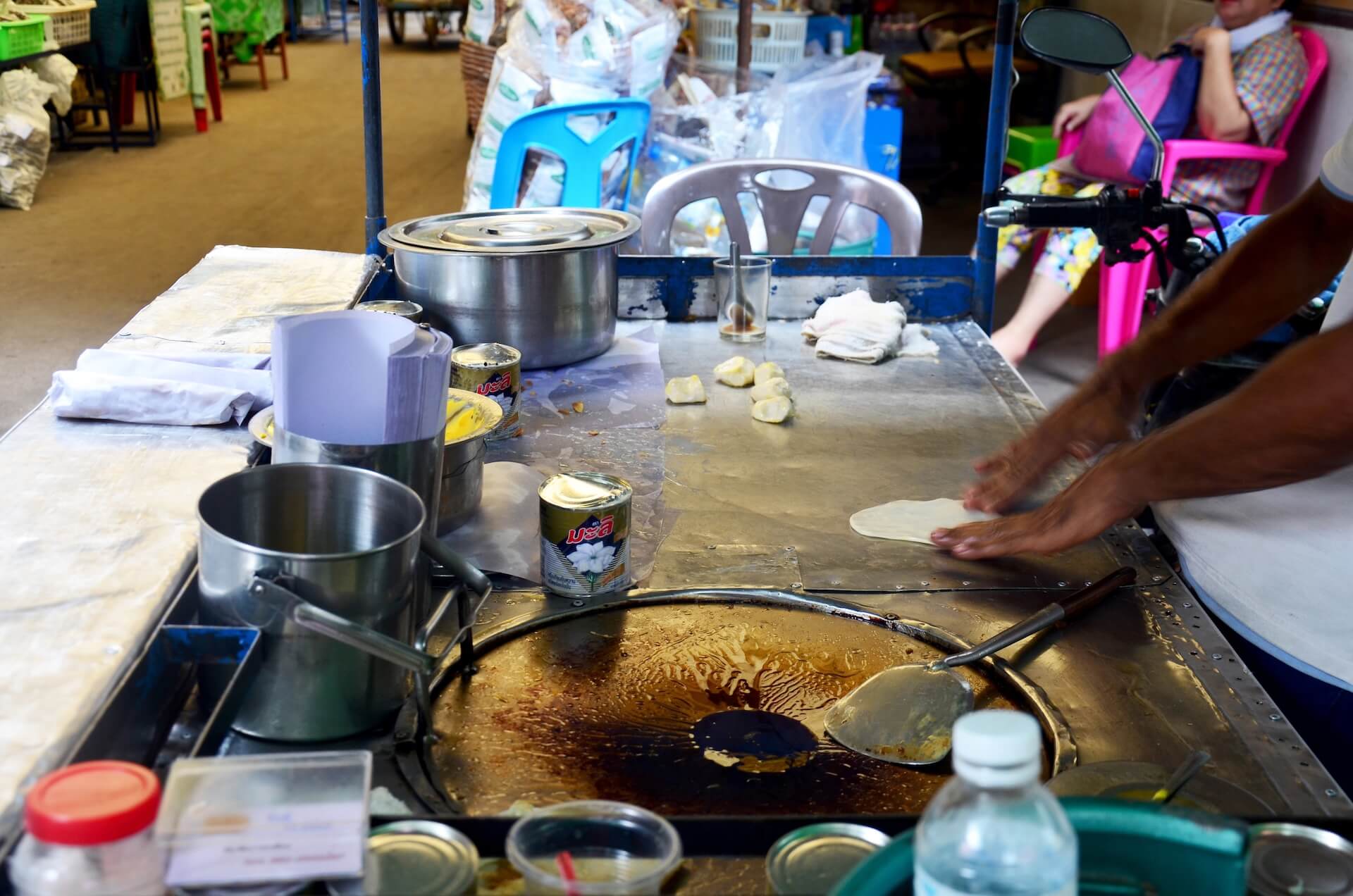
African, Indian, Creole, Chinese, Syrian-Lebanese and other influences have met here over generations and developed into something distinctly Trinidadian. Doubles, roti, pelau, bake and shark, corn soup and chow are only a starting point.
Some of the island’s best eating is also the least formal: roadside stands, markets, food courts, village shops and late-night stops.
Food here is not a separate attraction. It is part of how Trinidad socialises, celebrates and tells its history.
Religion & Shared Celebrations
Religious diversity is one of the most visible parts of Trinidadian life. Christianity, Hinduism and Islam all have deep roots, alongside Spiritual/Shouter Baptist, Orisha, Rastafari and other traditions.
The national calendar makes that diversity especially visible. Christmas and Easter sit alongside public holidays for Divali, Eid-ul-Fitr and Shouter Baptist Liberation Day, while Hosay remains a distinctive Shia Muslim observance with a long history in Trinidad.
Celebrations often draw people beyond the faith community from which they originate. Divali lights extend through neighbourhoods, Hosay draws spectators along its procession routes, and Christmas traditions spill well beyond church life.
For visitors, these are wonderful opportunities to understand the island — but they are also living religious and cultural traditions, not performances staged for tourism.
Landmarks That Tell Trinidad’s Story
Trinidad’s most interesting landmarks are worth more than a quick photo.
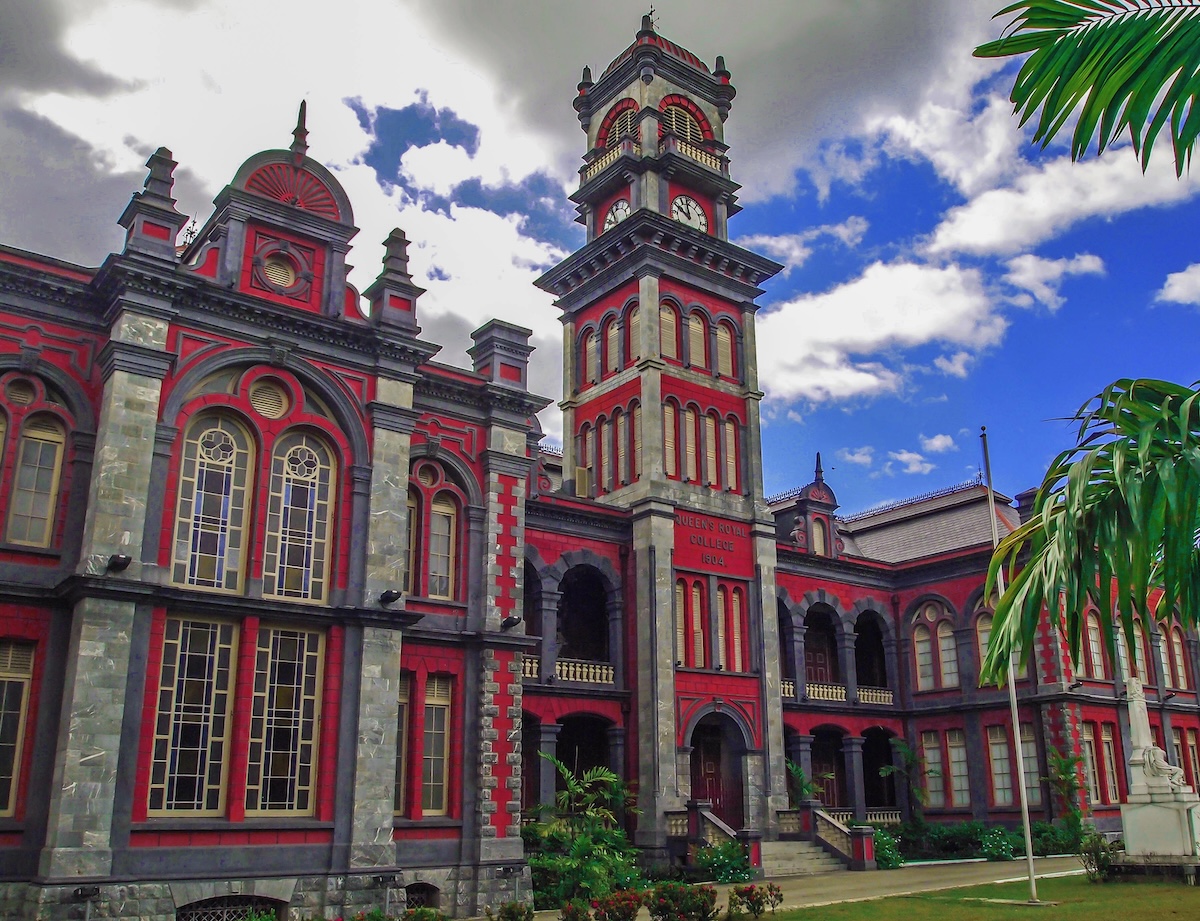
Around Queen’s Park Savannah, Port of Spain’s historic architecture reflects a different chapter of the island’s past. In Carapichaima, the Temple in the Sea and the 85-foot Hanuman Murti speak to Indo-Trinidadian faith, persistence and community. Farther south, La Brea’s extraordinary Pitch Lake connects Trinidad’s geology with an industry that has shaped the island for generations.
Taken together, these places make Trinidad’s history much easier to see.
Nature & Geography
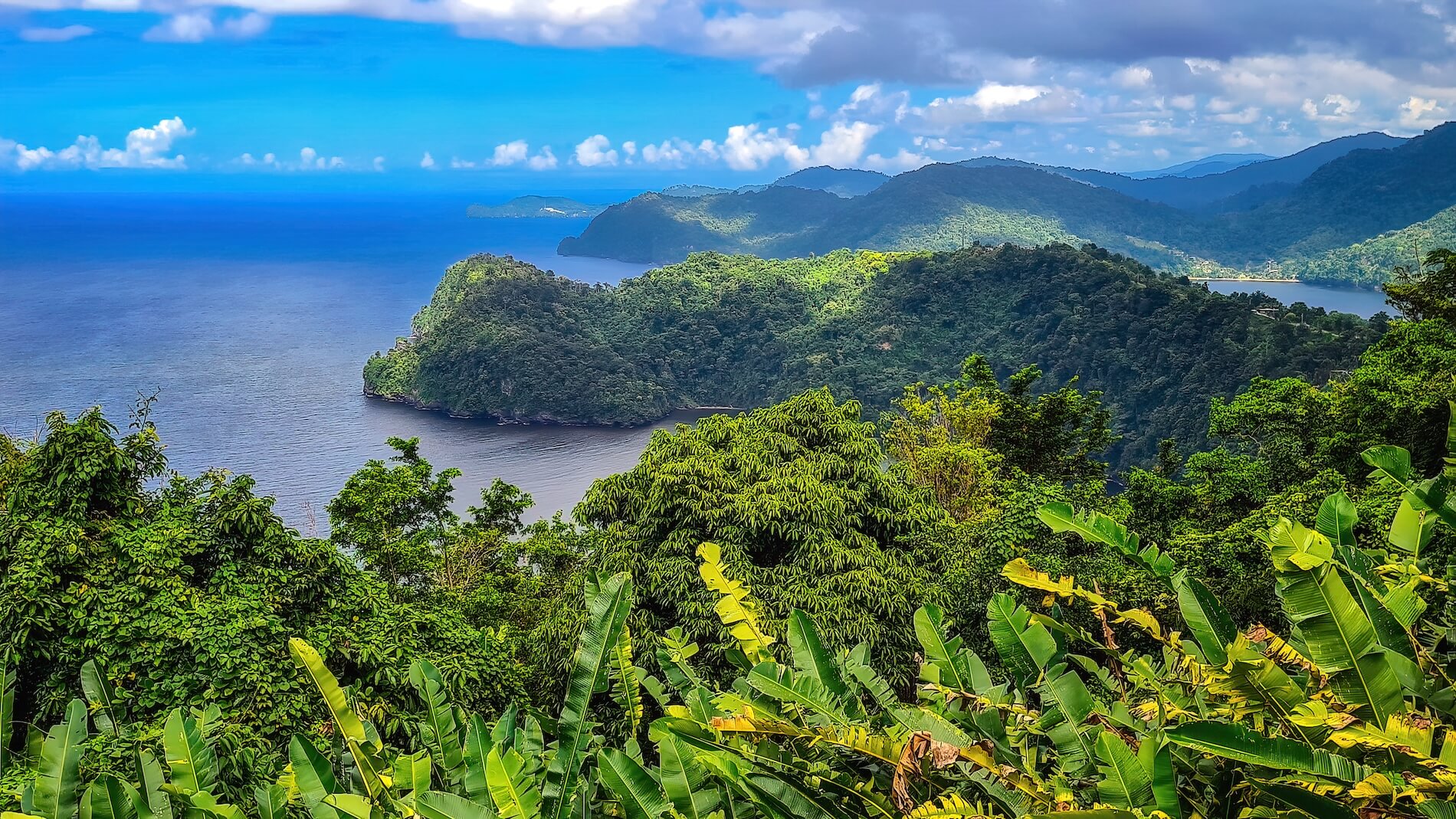
Trinidad sits just off the coast of Venezuela, and its geology and biodiversity are closely connected to northern South America. That helps explain why the island packs such varied wildlife and landscapes into a relatively small area.
The Northern Range stretches across the top of the island with rainforest, rivers, caves and waterfalls. Caroni and Nariva add extensive wetland habitats, while the east faces the open Atlantic and the west looks across the calmer Gulf of Paria.
Within a single trip, the landscape can shift from mountain forest and mangrove to long beaches, agricultural plains and dry western coastline.
That variety is one of Trinidad’s most underrated reasons to visit.