
Outdoor adventures
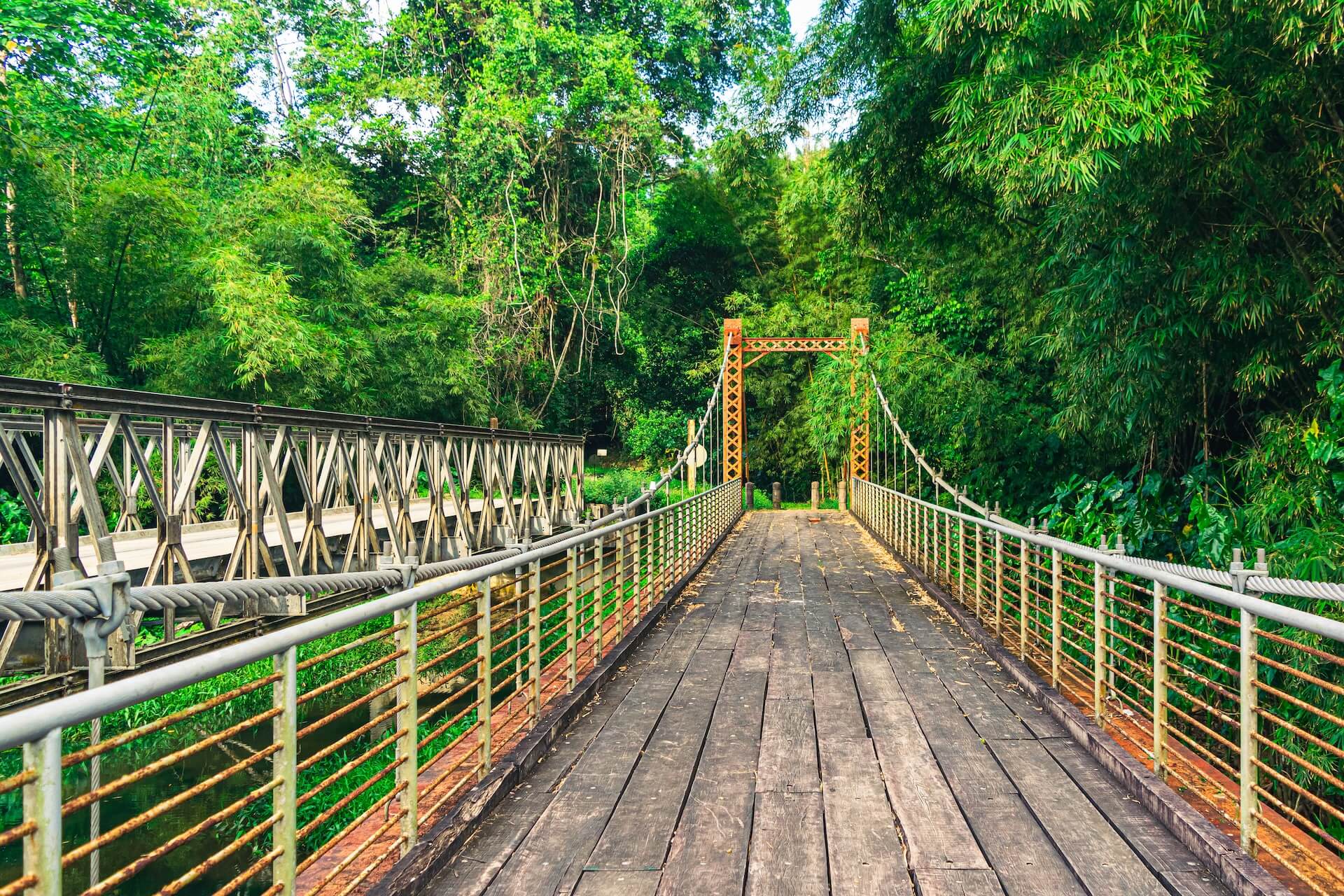
Trinidad offers an outdoor experience rarely found elsewhere in the Caribbean. Instead of focusing solely on beaches, the island invites exploration — rainforest trails, wildlife wetlands, waterfalls and remote coastlines.
For travelers willing to venture beyond the obvious, Trinidad reveals a landscape rich in nature, wildlife and adventure.
Trinidad’s outdoor activities at a glance
Trinidad contains a remarkable variety of ecosystems. Rainforests, mangrove wetlands, rivers, and coastal landscapes can all be reached within a few hours’ drive.
These landscapes support one of the richest wildlife environments in the Caribbean.
Rainforest Hiking in the Northern Range
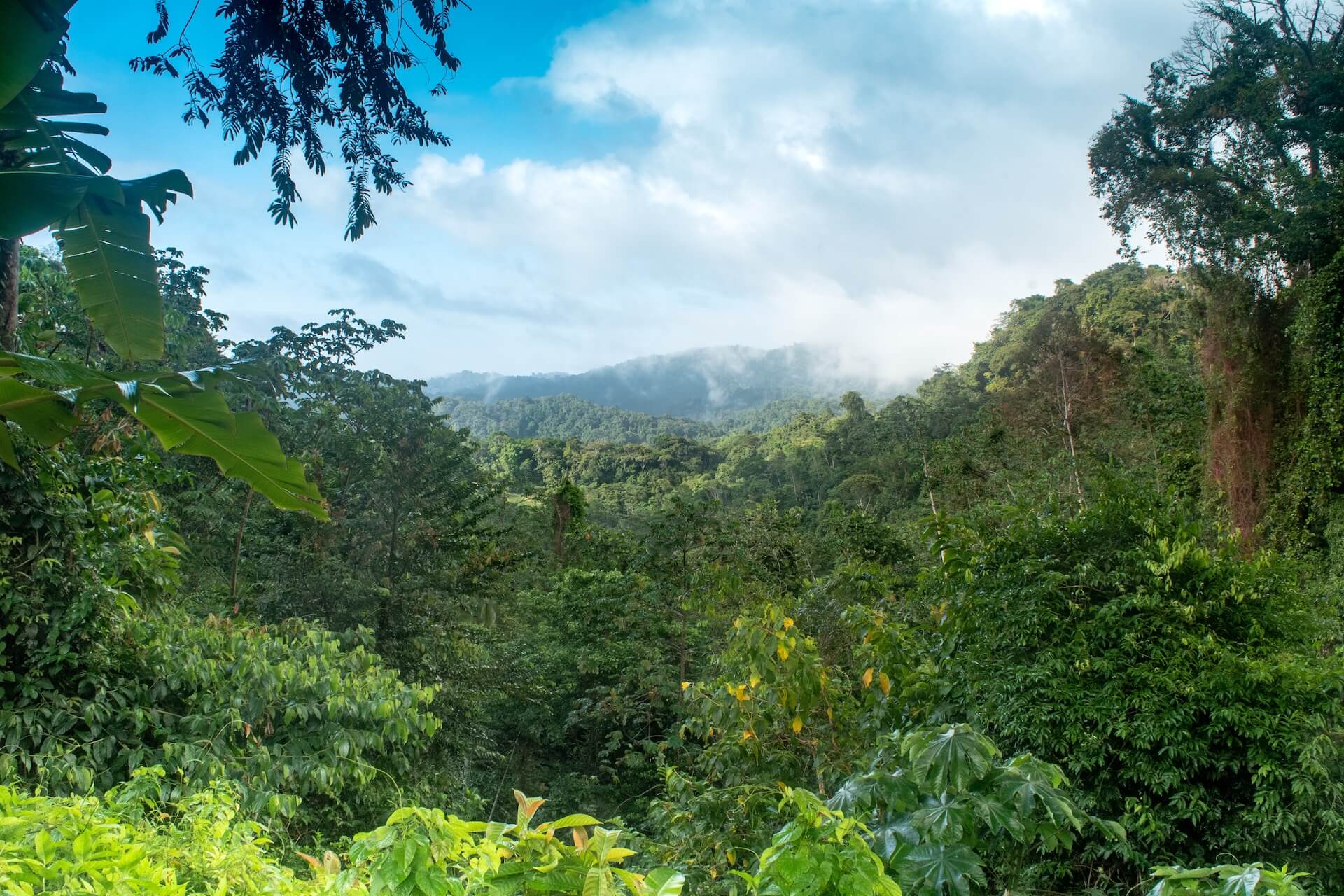
The Northern Range forms the island’s mountainous spine. Covered in tropical rainforest, the range intercepts Atlantic trade winds, creating heavy rainfall that feeds rivers and waterfalls across northern Trinidad.
Many of the island’s best hikes follow these rivers through dense forest before reaching dramatic waterfalls or coastal viewpoints.
Among the most notable waterfall hikes are:
Paria Waterfall — reached by a jungle hike ending at Paria Beach
Avocat Waterfall — one of the island’s tallest waterfalls with a deep swimming pool
Rio Seco Waterfall — a striking blue pool surrounded by rainforest
Many hikes double as swimming excursions, making waterfalls one of Trinidad’s most popular outdoor experiences.
Why visit the Northern Range?
- Well-known waterfall hikes
- Rivers and waterfalls throughout the mountains
- Cooler conditions at higher elevations
- Excellent opportunities for birdwatching
Field Notes: Why the Northern Range Matters
The Northern Range is a continuation of the coastal mountains of Venezuela and shares many of the same plant and animal species. This geological connection explains why Trinidad’s biodiversity is unusually rich compared with other Caribbean islands.
Wildlife and Birdwatching
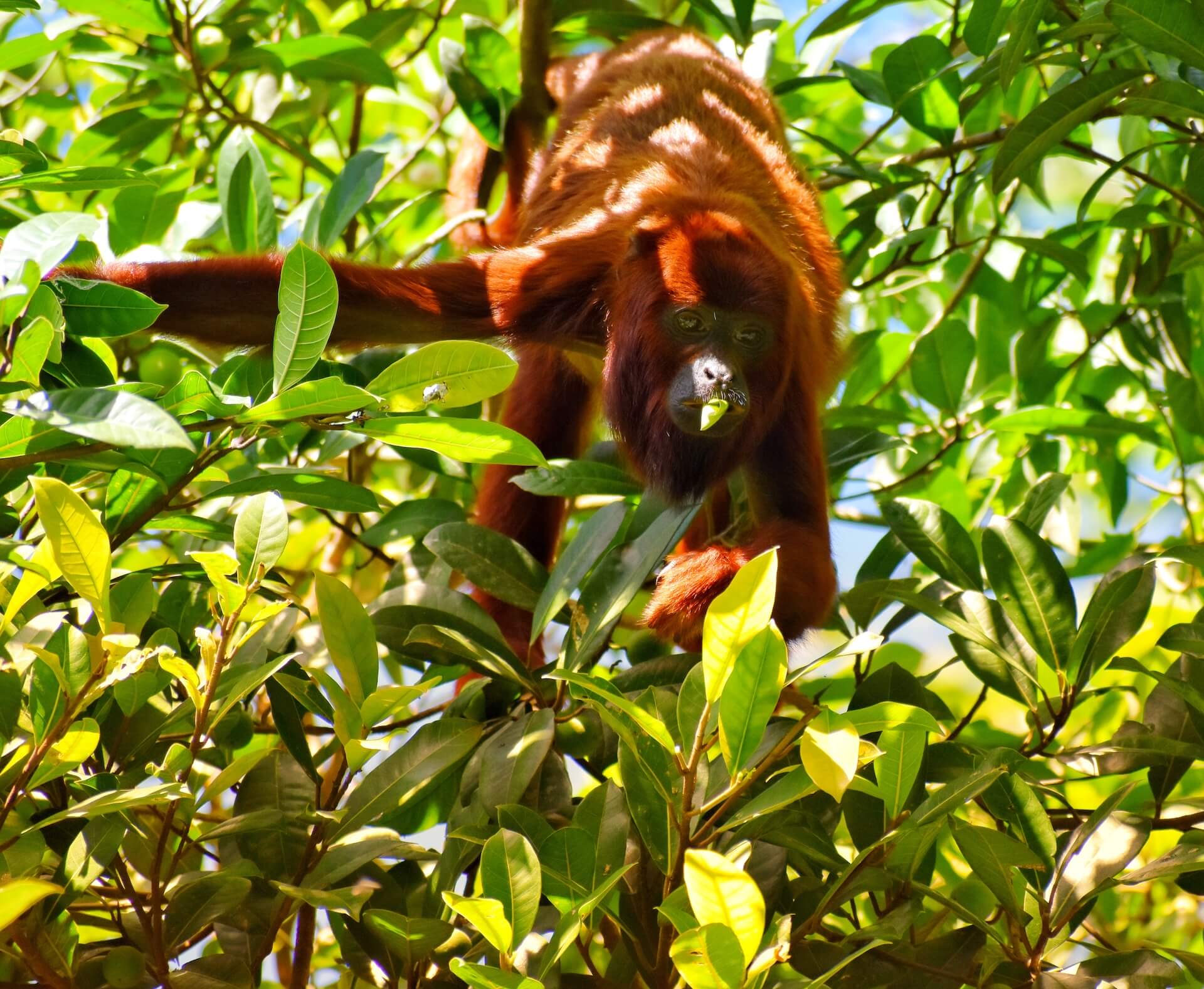
Trinidad has long been recognized as one of the Caribbean’s premier birdwatching destinations. More than 480 bird species have been recorded on the island, reflecting the diversity of habitats from rainforest to wetlands.
One of the most celebrated birdwatching sites is Asa Wright Nature Centre, where hummingbirds gather around feeders overlooking the forest.
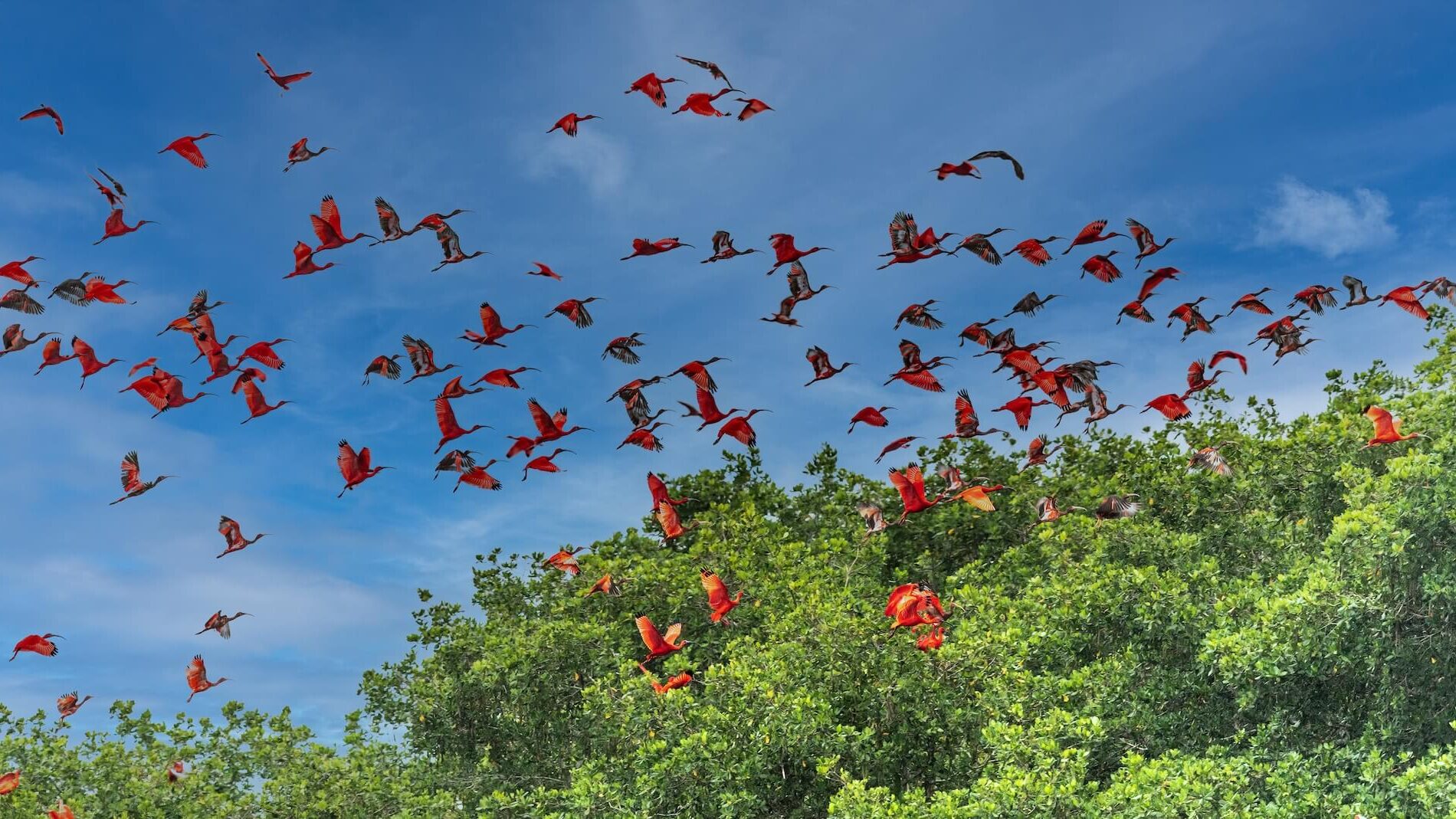
Another remarkable wildlife experience takes place in Caroni Swamp, where evening boat tours culminate in the spectacle of scarlet ibis returning to mangrove roosts at sunset.
Further east, Nariva Swamp protects one of the island’s largest wetlands and provides habitat for birds, reptiles and mammals.
Field Notes: The Scarlet Ibis
The scarlet ibis is Trinidad and Tobago’s national bird. Every evening hundreds of these brilliant red birds gather in the mangroves of Caroni Swamp, creating one of the Caribbean’s most iconic wildlife spectacles.
Try birdwatching here:
Mangrove and Wetland Exploration
Mangrove wetlands dominate Trinidad’s west coast and form critical nursery habitats for fish and marine life.
The best known of these ecosystems is Caroni Swamp, where narrow channels wind between mangrove forests.
Exploring the swamp by boat reveals a different side of the island — quiet waterways alive with bird calls, reptiles and coastal wildlife.
Field Notes: Caroni Swamp
The mangrove forests of Caroni Swamp support one of the most important bird habitats in the Caribbean. The swamp covers roughly 5,600 hectares of tidal channels, lagoons and mangrove islands.
The most famous sight here is the evening return of the scarlet ibis, Trinidad and Tobago’s national bird, which gathers in large flocks to roost in the mangroves at sunset.
Boat tours typically depart in the late afternoon when wildlife activity increases and the light over the wetlands becomes particularly dramatic.
What to expect:
- Scarlet ibis gathering at sunset
- Herons, egrets and other wetland birds
- Occasional sightings of caimans or tree boas
- Quiet mangrove lagoons reflecting the evening light
Beaches and the North Coast
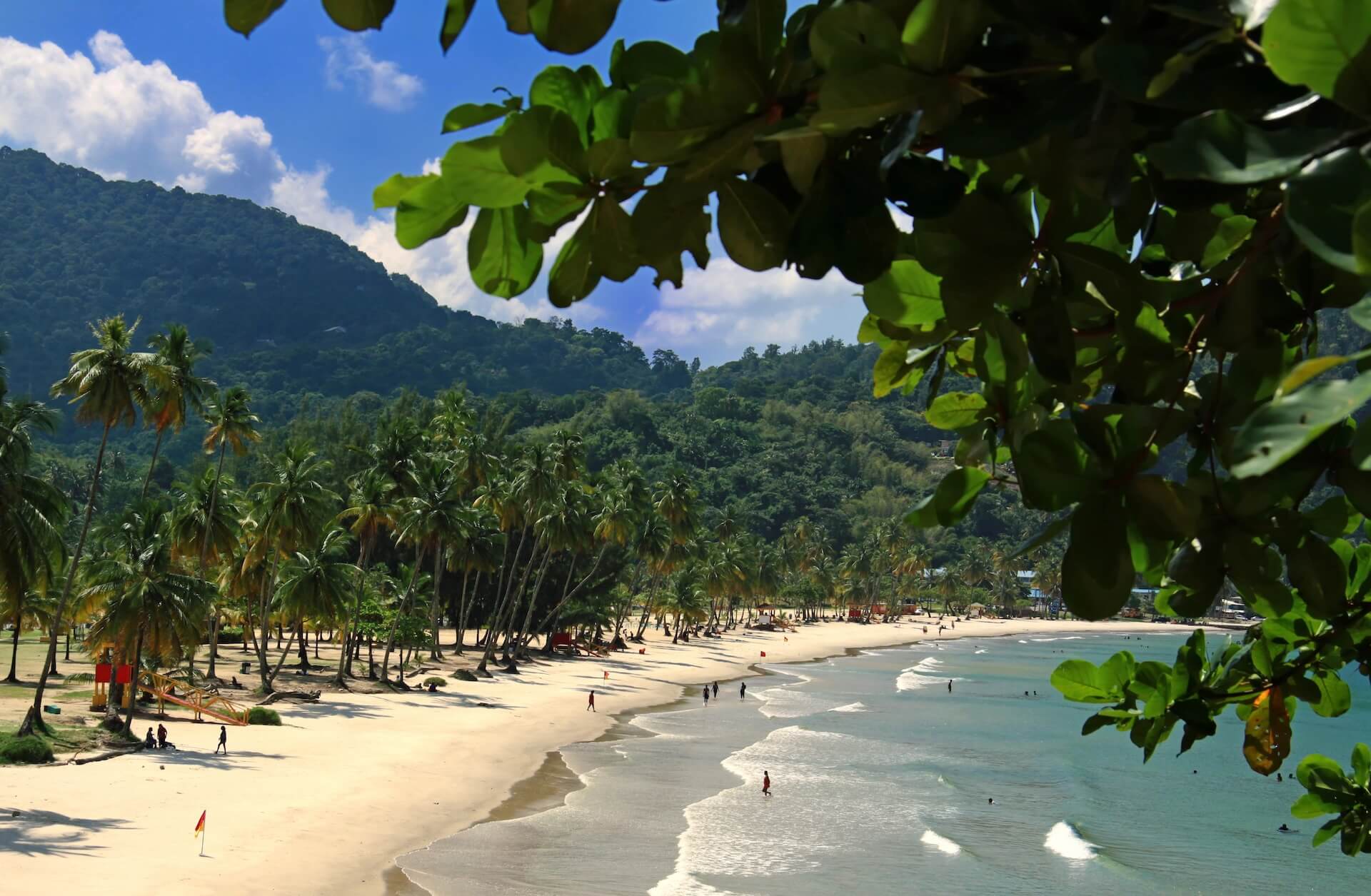
Although Trinidad is not primarily known for beaches, the island’s north coast contains some of its most striking landscapes.
The scenic drive from Port of Spain across the mountains to the coast — often called the North Coast Road — offers sweeping views over rainforest valleys before descending to the Caribbean Sea.
Key beaches include:
- Blanchisseuse
- Maracas Bay
- Las Cuevas Beach
Why visit the North Coast?
- Dramatic scenery – rainforest-covered mountains descend directly into the Caribbean Sea.
- A scenic drive – the road from Port of Spain crosses the Northern Range with sweeping views before reaching the coast.
- Popular beach stops – Maracas Bay is the island’s most famous beach, while Las Cuevas Beach offers calmer water and a quieter atmosphere.
- Local food culture – beach vendors at Maracas are known for Trinidad’s iconic bake and shark.
- A more rugged coastline – waves can be stronger than on many Caribbean beaches, especially outside sheltered bays.
Turtle Nesting Beaches in Trinidad
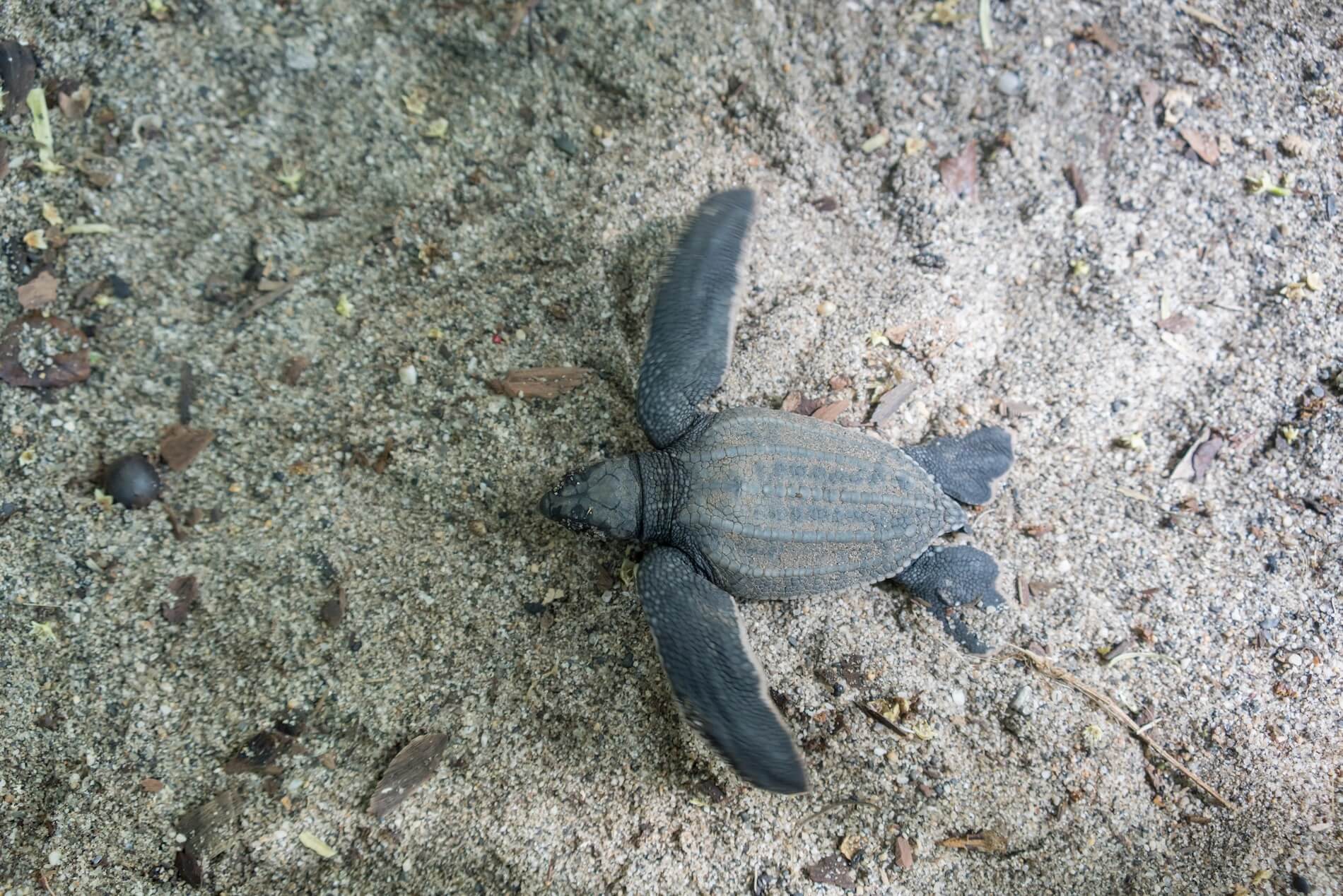
Some of Trinidad’s beaches are internationally significant wildlife sites rather than leisure beaches. During the annual turtle nesting season, large sections of coastline are protected to support one of the world’s most important leatherback sea turtle populations. These beaches are about conservation, timing, and respect — not casual beach use.
Key nesting beaches include Grande Rivière, Matura Beach, and Fishing Pond.
Why visit Trinidad’s turtle nesting beaches?
- One of the world’s most important leatherback turtle nesting areas
- Opportunity for guided turtle-watching during nesting season
- A rare chance to experience protected beaches after dark
- Strong focus on conservation and community-led protection
- A meaningful nature experience rather than a traditional beach day
Pitch Lake
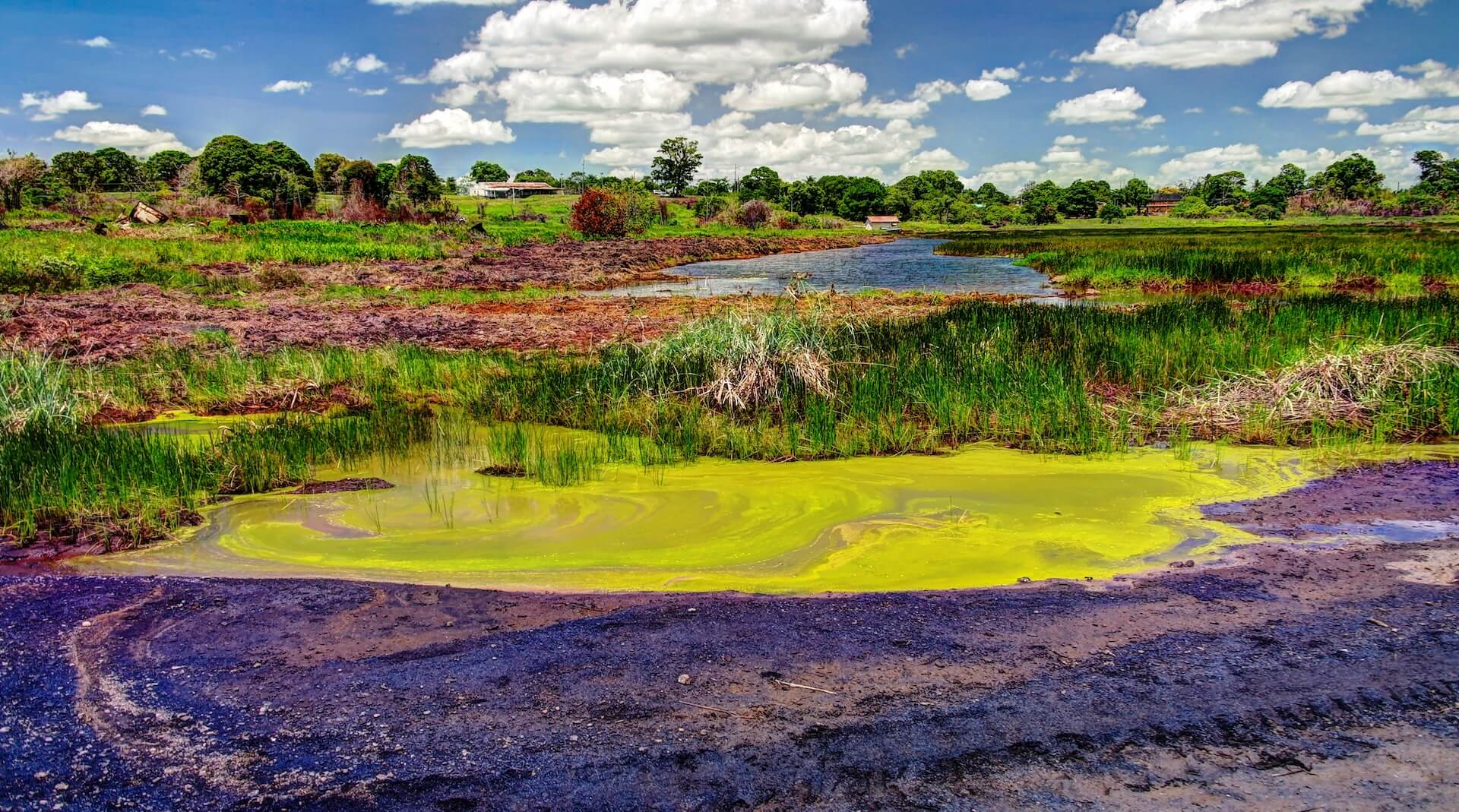
Pitch Lake, near La Brea in southwest Trinidad, is one of the island’s most unusual outdoor attractions and one of the easiest geological sites to visit. Often described as the largest natural asphalt deposit in the world, it stretches across a broad surface that looks solid at first glance but is constantly shifting beneath the heat and pressure below. Walking across it has a strange, textured feel — in places the ground looks and behaves almost like elephant skin, with ripples, folds and cracked patterns spreading across the dark surface. Guided visits help explain how the lake formed, how pitch was extracted and exported for generations, and why this industrial landscape remains one of Trinidad’s most distinctive natural landmarks. Small pools of water, softened patches of asphalt and vents in the surface add to the sense that this is not a static site, but a living geological one.
Field Notes: Pitch Lake
Pitch Lake is less dramatic in the postcard sense than Trinidad’s beaches or forests, but it leaves a strong impression. Its scale, texture and quiet movement make it feel unlike anywhere else on the island, and a guided walk gives the site much more meaning than a quick stop from the roadside.
Mud volcanos
Trinidad’s mud volcanoes offer a different kind of outdoor experience, especially for travelers interested in landscapes shaped by the island’s active geology. Found mainly in the south, these sites are formed when gas and mineral-rich mud push upward through the earth, creating low cones, bubbling vents and wide stretches of cracked grey ground. The best known is Devil’s Woodyard, where visitors can see this process up close in a setting that feels stark, quiet and unexpectedly dramatic. They are not large sites, and the experience is more about atmosphere and geological curiosity than spectacle, but they make a memorable contrast to Trinidad’s wetlands, forests and coastal scenery.
Field Notes: Mud Volcanoes
The mud volcanoes are best approached as a short but worthwhile detour rather than a major excursion. What makes them interesting is their strangeness: the stillness of the landscape, the mineral colours, and the reminder that Trinidad’s terrain is being shaped from below as much as above.
Try exploring here: La Brea and Devil’s Woodyard.

Adventure Activities
Beyond hiking and wildlife experiences, Trinidad also offers several adventure activities.
The Chaguaramas Peninsula has become the island’s main outdoor adventure hub.
Activities include:
- sailing and kayaking in the Gulf of Paria.
- ATV excursions through forest trails
- zipline courses above rainforest canopy
- cycling routes along coastal roads
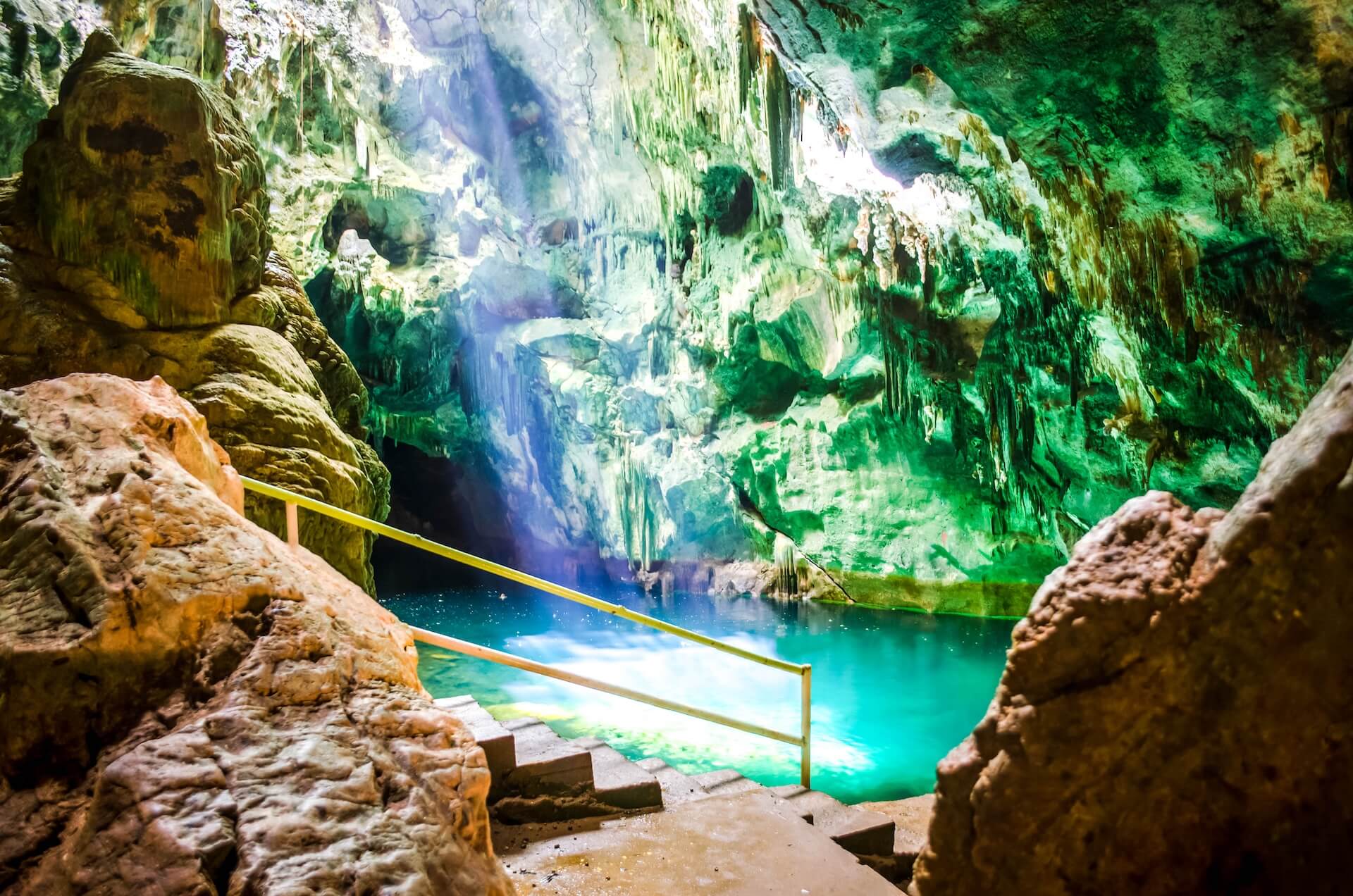
- exploring Gaspeere Caves
Featured Outdoor Activties
Explore some of Trinidad’s most rewarding outdoor experiences, from rainforest trails and world-class birdwatching to mangrove wetlands and coastal adventure.
RAINFOREST HIKES
Northern Range Trails
Guided hiking through Trinidad’s most iconic mountain landscape, with rainforest paths, river crossings, and some of the island’s best-known nature routes.
WETLAND & WILDLIFE
Caroni Bird Sanctuary Tour
A classic Trinidad outdoor experience, combining boat tours through mangroves with the chance to spot birdlife, wetland scenery, and the scarlet ibis at sunset.
Birdwatching
Asa Wright Nature Center
One of Trinidad’s best-known nature experiences, combining rich birdlife, rainforest setting, and one of the island’s most established wildlife locations.