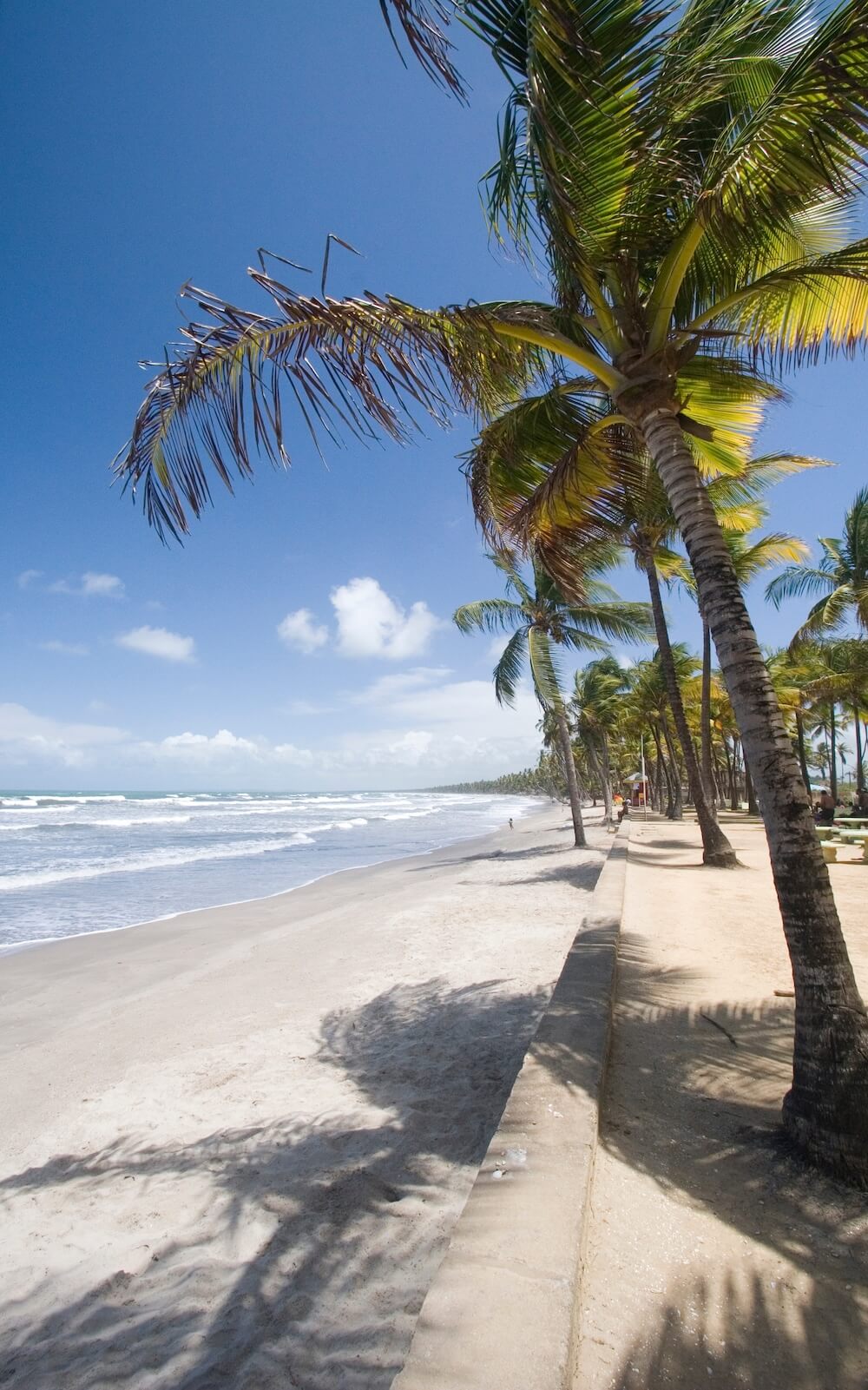
Beaches Trinidad

Beaches in Trinidad are shaped by geography and everyday life rather than tourism design. This means the experience can change dramatically from one coast to another — from calm swimming bays backed by rainforest to long Atlantic beaches defined by wind, space, and movement.
Roughly 574 km of coastline
One island, two very different seas.

Trinidad’s Coastline at a Glance

Trinidad’s beaches are best understood by coast rather than by individual names. Each side of the island faces different sea conditions and plays a different role in daily life.

  • North Coast — Popular beach days
  • West Coast — Easy beach access
  • North-East Coast — Remote coastal stops
  • Turtle Beaches — Seasonal nesting
  • East Coast — Long scenic beaches
  • South Coast — Quieter local beaches

Beaches in Trinidad’s North

The north coast is the most accessible and visitor-friendly part of Trinidad’s coastline. Facing the Caribbean Sea and backed by the Northern Range, these beaches are popular with locals for weekend outings and casual swimming.

Why visit the North Coast?

  • Best area for swimming
  • Easy access from Port of Spain
  • Food stalls and beach vendors are part of the experience
  • Lively but welcoming local atmosphere

Popular Beaches on Trinidad’s North Coast
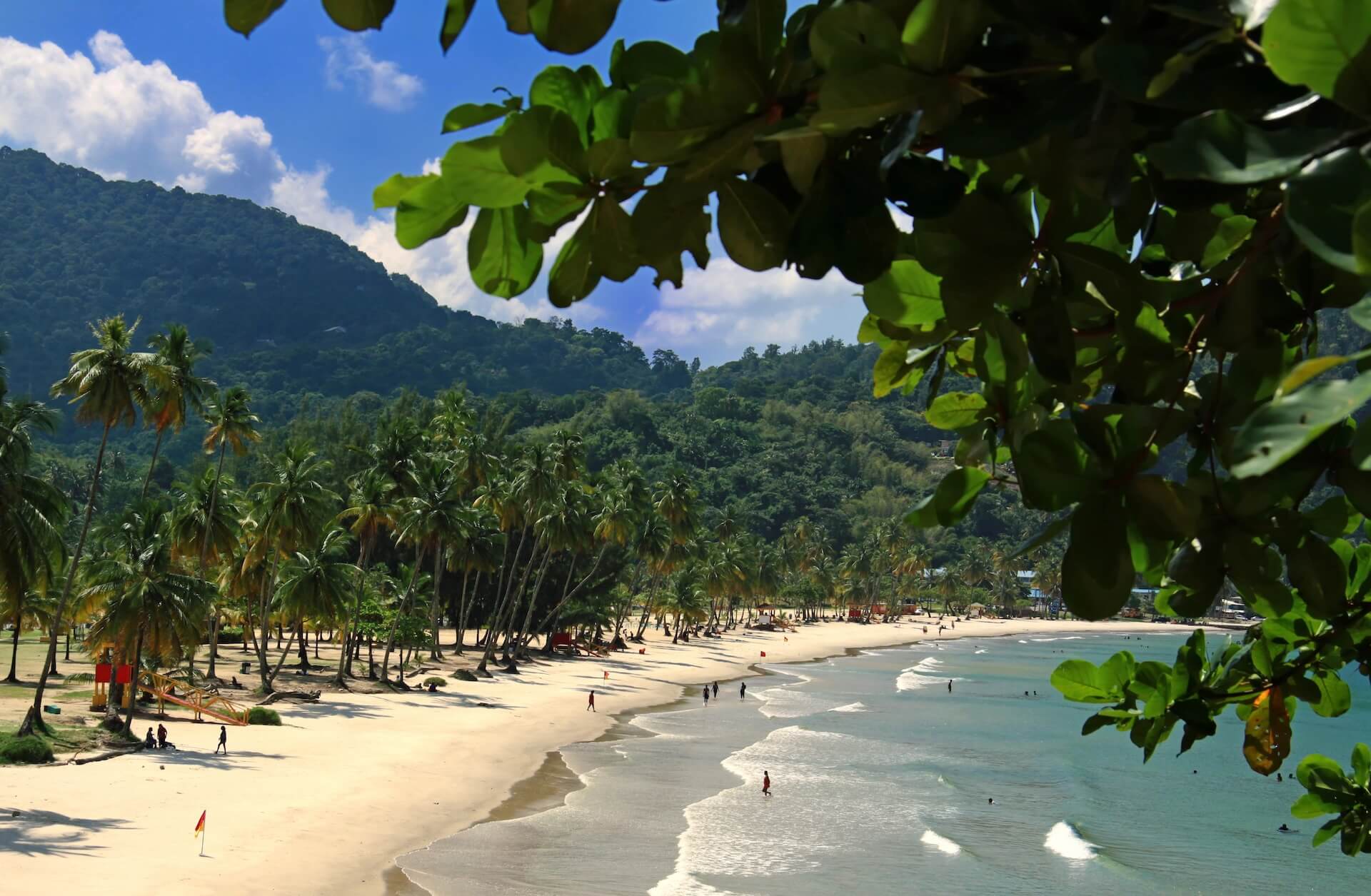
Trinidad’s most well-known beach. Wide bay, regular lifeguard presence on busy days, and a lively food scene.

Best for: first-time visitors, classic beach days, local food
Swimming: usually possible, though the sea can be lively
What to do: swim, relax on the sand, enjoy the scenery, try bake and shark, spend a full beach afternoon
Getting there: one of the easiest beaches to reach from Port of Spain by car
Good to know: Maracas is Trinidad’s most famous beach and the most popular choice for visitors who want an easy, iconic beach experience with a lively food scene. Weekends are social and busy; weekdays are quieter.

A calmer north coast option with a broader stretch of sand and a more relaxed feel than Maracas.

Best for: quieter beach days, couples, families, north coast drives
Swimming: usually possible and often gentler than at some other north coast beaches
What to do: swim, picnic, spend a laid-back day by the sea, combine with other north coast stops
Getting there: easy by car along the North Coast Road, a little farther than Maracas
Good to know: Las Cuevas is a good alternative if you want north coast scenery without the same level of crowds and activity.

A small, scenic bay along the North Coast Road. Better as a quick stop than a full beach day destination.

Best for: scenic stops, photos, quiet pauses along the north coast
Swimming: sometimes possible, but not usually the main reason to stop
What to do: take in the view, stretch your legs, enjoy the coastline, combine with Maracas or Las Cuevas
Getting there: very easy if you are already driving the north coast route
Good to know: Tyrico works best as part of a beach-hopping or road trip day rather than as the main destination.

A greener, quieter beach at the end of a beautiful north coast drive. More about landscape and atmosphere than a classic beach setup.

Best for: scenic drives, nature lovers, travelers looking for a less developed side of Trinidad
Swimming: possible in parts, though conditions can be rough
What to do: enjoy the beach, explore the wider area, combine with river stops or a full north coast outing
Getting there: best reached by car and better suited to a longer day trip
Good to know: Blanchisseuse feels much more remote than Maracas or Las Cuevas and is often chosen for the setting rather than convenience

A dramatic beach where river, forest and sea meet. One of Trinidad’s most memorable coastal destinations, especially in turtle season.

Best for: turtle watching, eco-travel, overnight stays, remote coastal scenery
Swimming: not usually the main reason to visit
What to do: stay overnight, enjoy the setting, join a turtle tour in season, explore the village
Getting there: long drive and best reached with planning
Good to know: Grande Rivière is one of Trinidad’s key turtle nesting beaches and is most rewarding as a dedicated trip rather than a quick stop.

Beaches in the North
Swimming, Food & Easy Day Trips
Trinidad’s Northeast
Scenic Drives, Space & the Atlantic Edge
cucuma beach trinidad

Trinidad’s Northeast

The northeast coast feels more remote and open than any other part of Trinidad. Facing the Atlantic Ocean, this region is defined by long coastal drives, wide horizons, and beaches shaped by wind and strong currents rather than calm swimming conditions. It’s less about quick beach stops and more about experiencing space, scenery, and the island’s outer edge.

Why visit the Northeast Coast?

  • Scenic coastal drives and dramatic Atlantic views
  • A strong sense of space and remoteness on the main island
  • Less crowded beaches and quieter villages
  • Ideal for walking, photography, and picnics rather than swimming
  • A striking contrast to the social, food-focused north coast

Popular Beaches on Trinidad’s North Coast
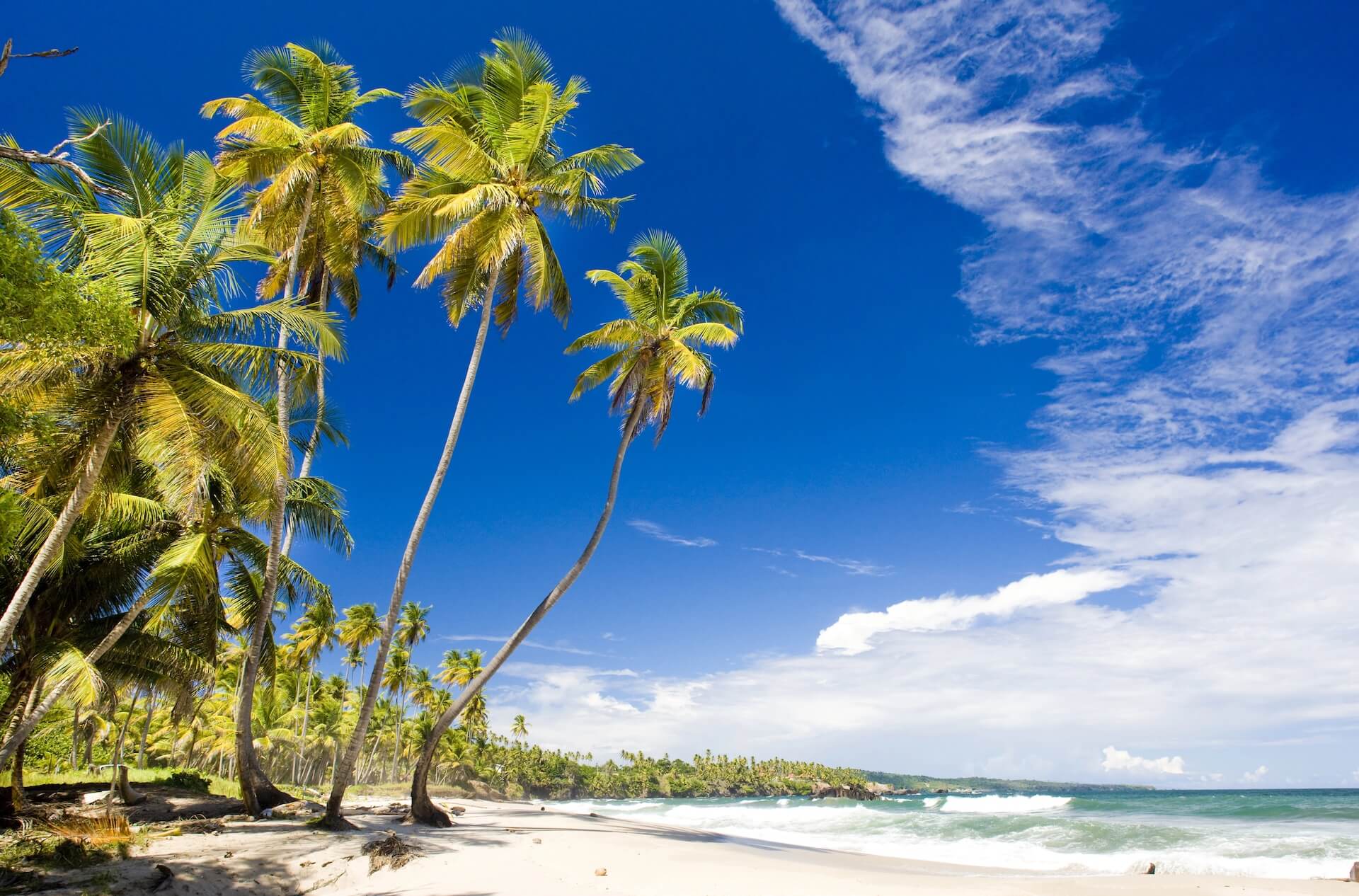
A collection of small coastal stops around Trinidad’s far northeast. The appeal here is the overall landscape and sense of distance.

Best for: road trips, views, reaching the far northeast, seeing a quieter side of Trinidad
Swimming: depends on the exact beach and sea conditions
What to do: stop for coastal views, explore the villages, eat locally, enjoy the drive
Getting there: longer drive from Port of Spain, so best as a full-day outing
Good to know: In the Toco area, the journey is a big part of the experience. Come for the coastline, not for resort-style beach facilities.

A quiet northeast coast beach with a more local, less visited feel. Best as part of a wider drive through this side of the island.

Best for: road trips, quiet coastal scenery, seeing a less obvious side of Trinidad
Swimming: possible depending on conditions, though not the main draw
What to do: stop for the view, enjoy the coastline, combine with other northeast villages and beaches
Getting there: easiest with your own car
Good to know: Salybia is better for travelers who enjoy discovery and scenery than those looking for facilities or a classic beach day.

A rugged coastal stop with a quieter, more open feel. More scenic than polished.

Best for: photos, coastal drives, travelers exploring beyond the usual route
Swimming: not usually the main reason to come
What to do: enjoy the landscape, take a short walk, stop during a northeast day trip
Getting there: best by car
Good to know: Balandra is worth including for the atmosphere and the journey, not because it is one of Trinidad’s easiest swim beaches.

Trinidad’s East Coast

The east coast faces the Atlantic Ocean and feels wild and expansive. These beaches stretch for miles, often with few people in sight, and are shaped by wind and strong ocean currents. For travelers drawn to scenery and scale, the east coast offers a very different — and memorable — experience.

What to Expect on the East Coast

  • A strong sense of space, wind, and movement
  • Strong Atlantic currents year-round
  • Limited facilities and little supervision
  • Beaches are often enjoyed on land rather than in the water
A long, windswept beach lined by coconut palms. One of Trinidad’s most striking coastal stretches.

Best for: scenic drives, long walks, picnic stops, east coast exploring
Swimming: possible in parts, though not always ideal for a relaxed swim
What to do: walk the beach, enjoy the views, stop for a picnic, take in the east coast landscape
Getting there: straightforward by car
Good to know: Manzanilla is often visited as much for the drive and the scenery as for the beach itself.

A wild, protected beach best known for turtle nesting. One of Trinidad’s most important wildlife sites.

Best for: turtle watching, eco-tourism, nature-focused travelers
Swimming: not usually the main reason to visit
What to do: visit in nesting season, join a guided turtle tour, experience one of Trinidad’s key conservation areas
Getting there: best by car and with advance planning
Good to know: Matura is most famous after dark in turtle season, when visitors come for guided nesting tours rather than a typical beach day.

The east
Wildlife tourism and sustainable travel
The Gulf OF Paria
Sheltered bays & outdoor activties

Trinidad’s West Coast

Trinidad’s west coast is the island’s most accessible beach region for travelers staying in or near Port of Spain. Centered largely around Chaguaramas, it offers smaller, more practical beaches that work well for half-day outings, easy swims, and combining beach time with other activities. This is less about long, dramatic stretches of sand and more about convenience, calm coves, and coastal stops that fit naturally into a wider day out.

Why visit the West Coast?

  • Easy beach access from Port of Spain and West Trinidad
  • Good option for shorter beach trips and half-day outings
  • Some of the island’s more practical beaches for swimming
  • Easy to combine with hiking, boating, ziplining, and other Chaguaramas activities
  • Well-suited to travelers who want beach time without a long cross-island drive

Beaches on the West Coast

A practical west coast beach with relatively sheltered water and easy access from Port of Spain.

Best for: easy beach outings, swimming, half-day trips from the capital
Swimming: usually possible and one of the better west coast options
What to do: swim, relax, combine with other Chaguaramas activities such as hiking or ziplining
Getting there: easy by car from Port of Spain or West Trinidad
Good to know: Macqueripe is one of the most convenient beach choices if you want sea, shade and a shorter drive.

A quiet coastal stop in the Chaguaramas area. Better as part of a wider day out than as a major beach destination on its own.

Best for: west coast outings, combining beach time with Chaguaramas activities
Swimming: possible depending on conditions
What to do: stop by the water, enjoy the setting, combine with boating, dining or exploring the peninsula
Getting there: easy if you are already in Chaguaramas
Good to know: Williams Bay works best when folded into a broader Chaguaramas itinerary rather than treated as the main reason to come west.

A low-key beach stop on the Chaguaramas peninsula with a more local, practical feel.

Best for: casual beach stops, west coast drives, local outings
Swimming: possible in suitable conditions
What to do: relax by the sea, include it in a Chaguaramas day, combine with nearby activities
Getting there: easy if you are already exploring the west
Good to know: Chagville is less about dramatic scenery and more about convenience if you are already spending time in the area.

Turtle Nesting Beaches in Trinidad

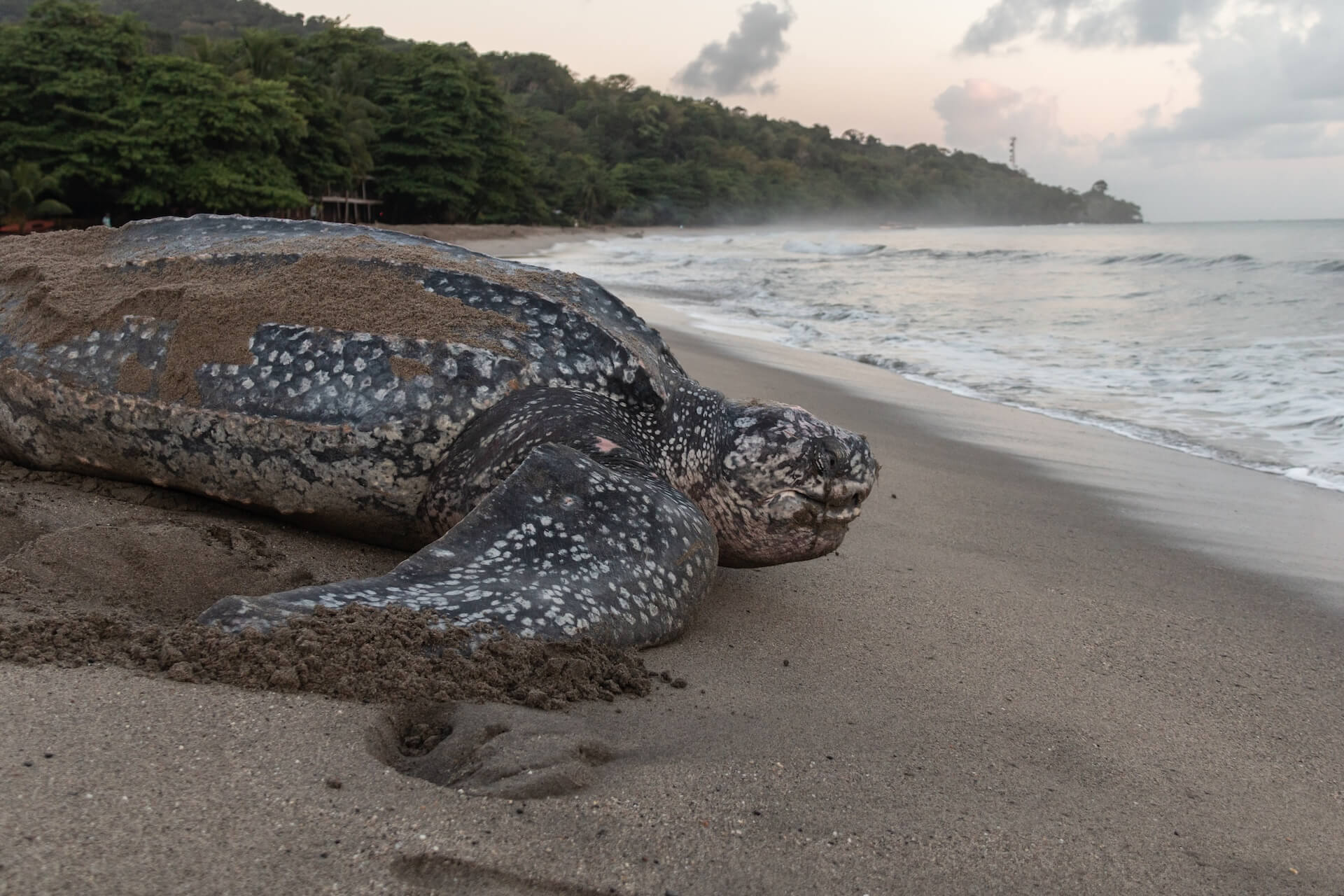
Some of Trinidad’s beaches are internationally significant wildlife sites rather than leisure beaches. During the annual turtle nesting season, large sections of coastline are protected to support one of the world’s most important leatherback sea turtle populations. These beaches are about conservation, timing, and respect — not casual beach use.

Key nesting beaches include Grande Rivière, Matura Beach, and Fishing Pond.

Why visit Trinidad’s turtle nesting beaches?

  • One of the world’s most important leatherback turtle nesting areas
  • Opportunity for guided turtle-watching during nesting season
  • A rare chance to experience protected beaches after dark
  • Strong focus on conservation and community-led protection
  • A meaningful nature experience rather than a traditional beach day

Turtle nesting beaches
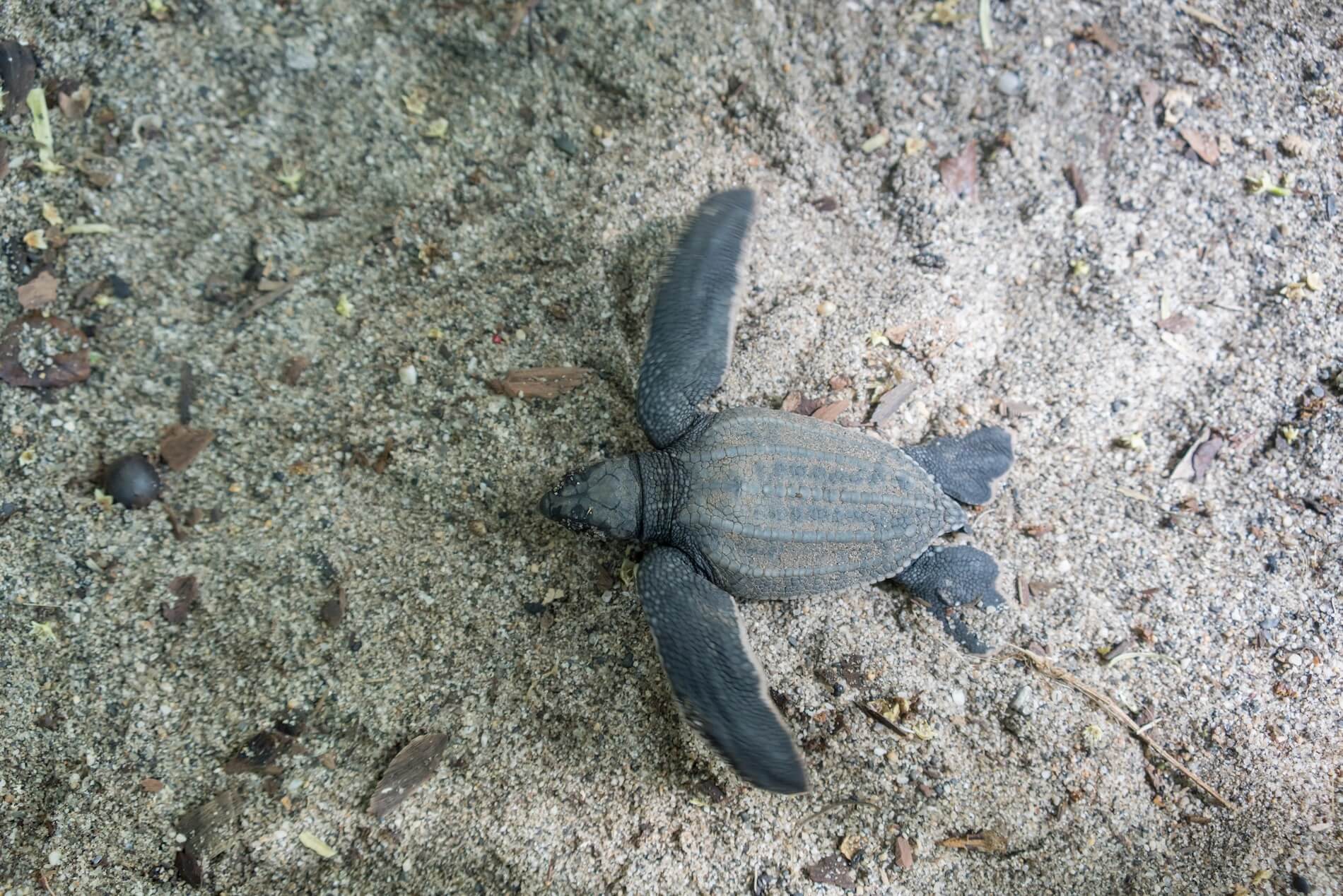
One of Trinidad’s best-known turtle beaches and one of the island’s most memorable wildlife experiences.

Best for: leatherback turtle watching, overnight eco-stays, nature-focused trips
Swimming: secondary to the wildlife experience
What to do: join a guided turtle tour in season, stay overnight, enjoy the dramatic setting
Getting there: requires planning and is best treated as a dedicated trip
Good to know: Grande Rivière is one of the strongest reasons to include Trinidad’s north coast in a wildlife-focused itinerary.

A protected nesting beach on the east coast and one of Trinidad’s most important turtle sites.

Best for: guided turtle tours, conservation-minded travelers, seasonal wildlife experiences
Swimming: not the main focus
What to do: visit in season, join an authorized turtle tour, experience the beach as part of a conservation outing
Getting there: manageable by car with planning
Good to know: Matura is best known for nighttime turtle tours rather than daytime beach visits.

Turtles in Trinidad
Turtle nesting season runs from March to August.
Longer, Wilder, More Local
Home to Trinidad’s longest beach
Manzanilla beach, Trinidad

Trinidad’s South Coast

The south coast is Trinidad’s most local and least touristic beach region. Shaped by fishing communities, industry, and everyday life, beaches here are smaller, quieter, and used mainly by nearby residents. This is a working coastline, where beaches are part of the landscape rather than destinations in themselves.

Why visit the South Coast?

  • A glimpse into everyday coastal life in Trinidad
  • Quieter beaches with a slower pace
  • Opportunities to explore fishing villages and small communities
  • Interesting geographic contrasts, including industrial and natural landscapes
  • Well suited to travelers exploring Trinidad beyond classic routes

One of South Trinidad’s easiest beach options. Straightforward, accessible and good for a relaxed outing.

Best for: families, casual beach days, travelers staying in the south
Swimming: usually possible and generally manageable for a relaxed visit
What to do: swim, picnic, spend an easy afternoon by the sea
Getting there: easy by car
Good to know: Vessigny is valued more for practicality and ease than for dramatic scenery.

A rugged south coast beach with a moodier feel than many of Trinidad’s better-known coastal spots.

Best for: scenery, beach walks, travelers who prefer quieter and wilder places
Swimming: not usually the main reason to come
What to do: walk the beach, enjoy the landscape, take photos, combine with a south coast drive
Getting there: best reached by car
Good to know: Quinam is more about atmosphere and setting than an easy swim-and-snack beach day.

A remote beach in the far southwest with wide-open views and a strong sense of distance.

Best for: quiet coastal exploration, road trips, travelers seeking less visited corners of Trinidad
Swimming: not usually the main draw
What to do: walk the coast, enjoy the open setting, take in the far southwestern landscape
Getting there: best with your own transport
Good to know: Columbus Bay is rewarding for its remoteness and atmosphere rather than for facilities or a classic beach experience.

A long southeast coast beach with a quieter, more spacious feel than the north coast. Good for those who want room to breathe.
Best for: long walks, quiet coastal outings, local weekend escapes
Swimming: possible, though conditions can be stronger and less sheltered
What to do: walk the shoreline, relax by the sea, enjoy the slower atmosphere
Getting there: longer drive, but manageable by car
Good to know: Mayaro is one of Trinidad’s longest beaches and feels very different from the more compact, social beaches on the north coast.

Featured Beach excursions

Lorem ipsum dolor sit amet, consectetur adipiscing elit. Ut elit
tellus, luctus nec ullamcorper mattis, pulvinar dapibus leo.

SEp 4-6, ’21

Day 1 Magic
Pumpkin Patch

Lorem ipsum dolor sit amet, consectetur adipiscing elit. Ut elit tellus, luctus nec ullamcorper mattis, pulvinar dapibus leo.

View Schedule
SEp 4-6, ’21

Lazer Tag Night Sessions

Lorem ipsum dolor sit amet, consectetur adipiscing elit. Ut elit tellus, luctus nec ullamcorper mattis, pulvinar dapibus leo.

View Schedule
SEp 4-6, ’21

Sand Art & Spin Art Frisbee

Lorem ipsum dolor sit amet, consectetur adipiscing elit. Ut elit tellus, luctus nec ullamcorper mattis, pulvinar dapibus leo.

View Schedule